






The Importance of Garment Care & Composition Labels
Garment Care & Composition Labels
Although small, garment care and composition labels are crucial in the textile and apparel industry. Label information directly affects product lifespan, compliance and sustainability, guides proper care, assists consumer decision-making, and enhances brand transparency and trust.
What Are Garment Care & Composition Labels?
They are labels sewn onto garments, mainly indicating:
• Garment care instructions
• Fabric composition ratios
• Regulatory compliance information
• Sustainability and sourcing-related details
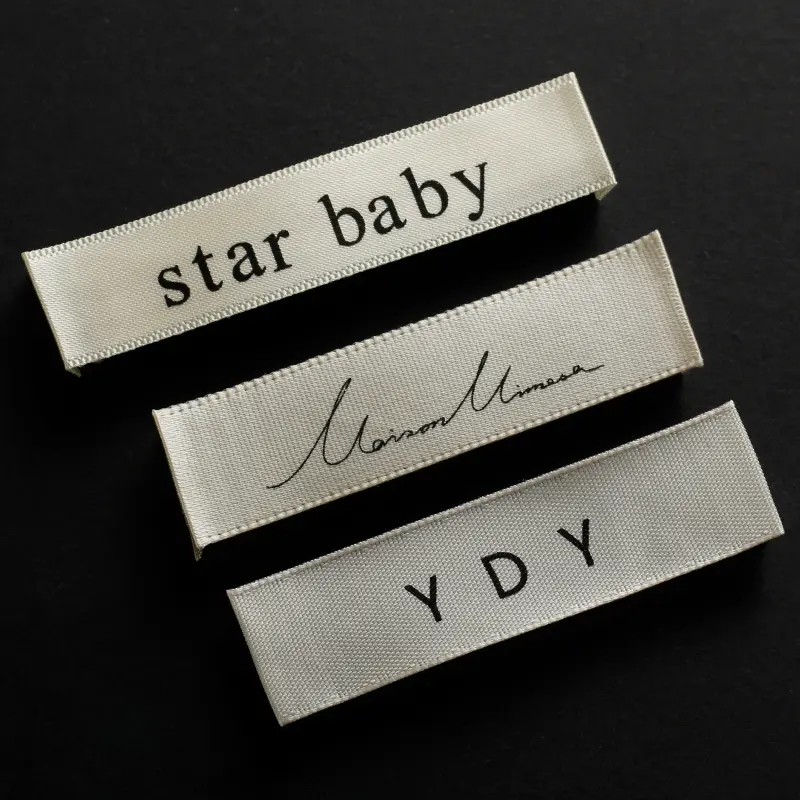
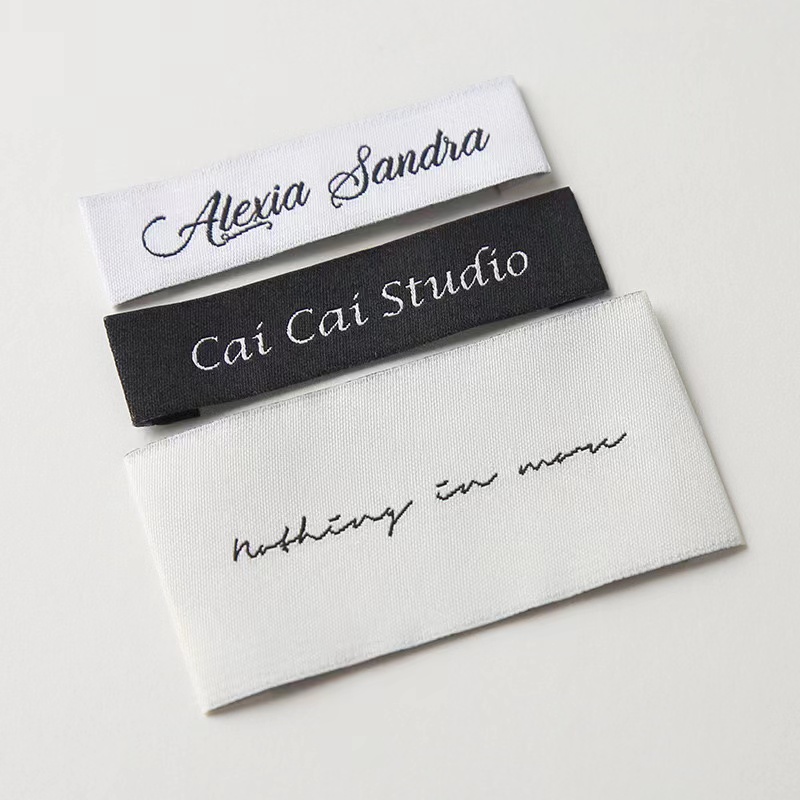
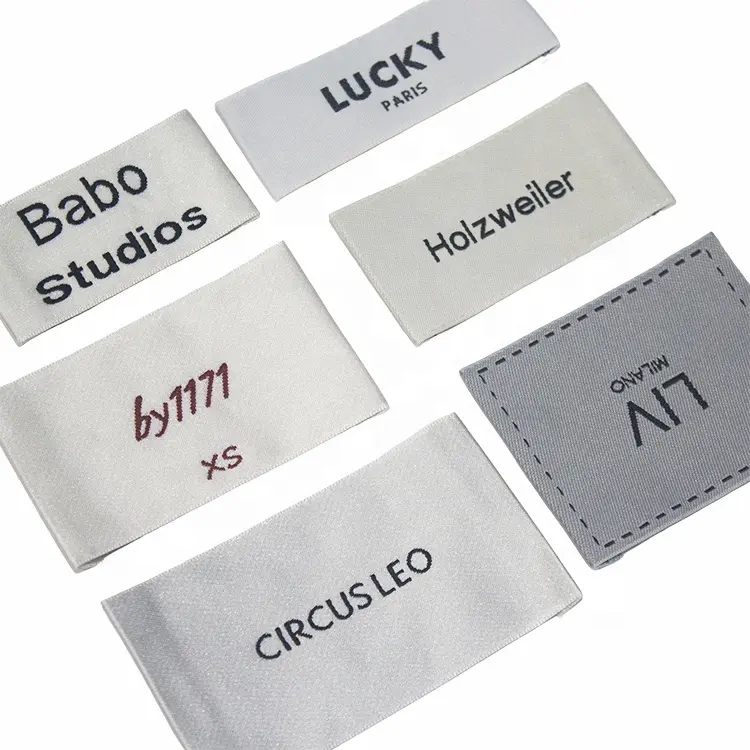
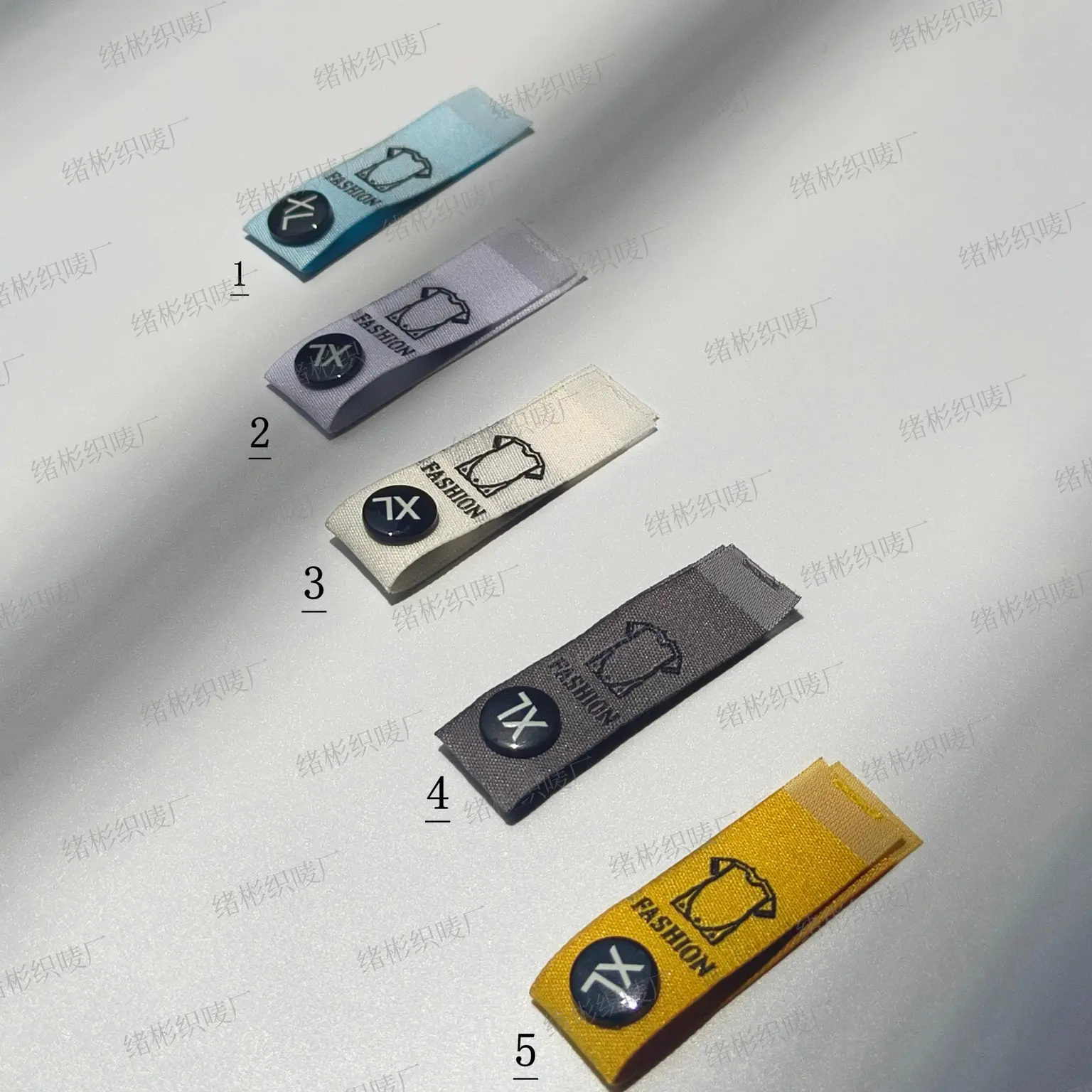
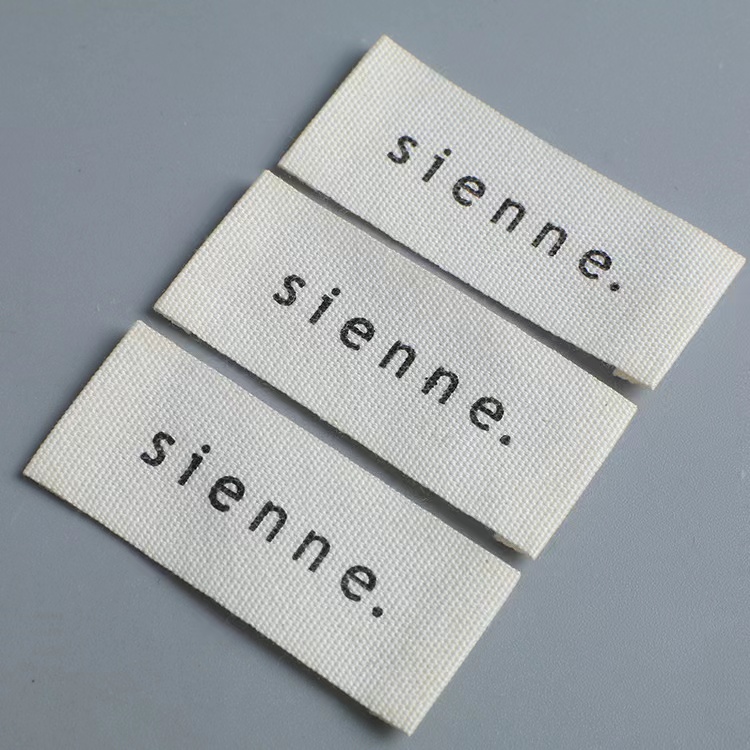
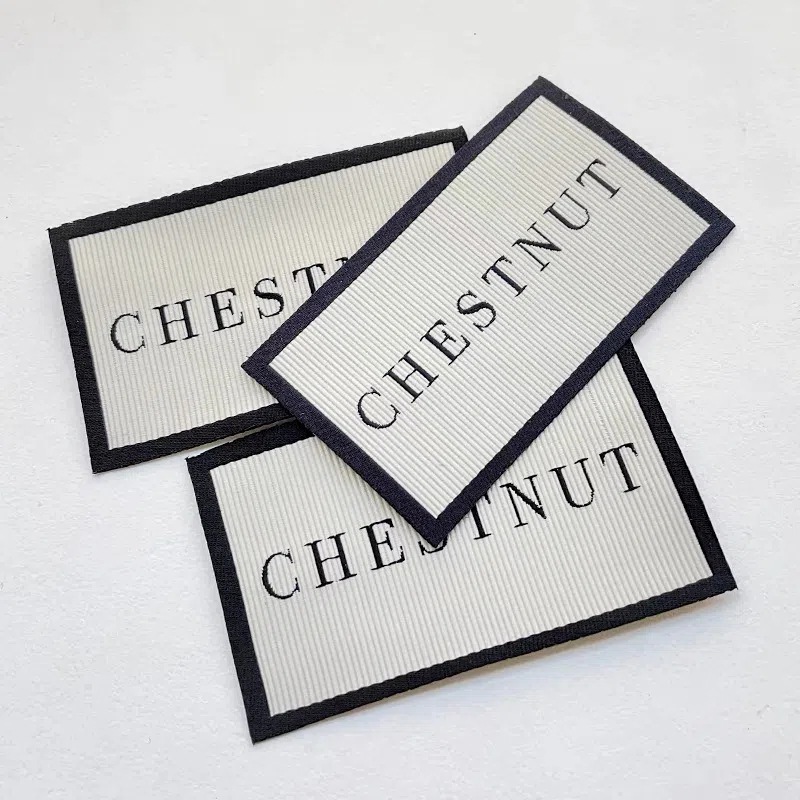
Though often overlooked, these labels prevent garment damage and extend wear life, allowing consumers to clearly understand fabrics, care methods and origin. Custom options include satin printed labels, heat transfer labels, etc.
Core Functions of Care Labels
• Extend garment lifespan: Provide guidance on correct maintenance, specifying machine/hand wash, water temperature, detergent use, drying, ironing and other requirements. Following instructions keeps clothes looking new for longer, reducing waste and saving costs.
• Prevent garment damage: Ignoring instructions may lead to fabric aging, fading and deformation. Different fabrics require different care; checking labels before washing avoids irreversible damage. Such information can be applied to woven labels, printed labels and heat transfer labels.
Core Value of Composition Labels
• Support rational purchasing: Help consumers choose fabrics based on needs, avoid allergy risks, adapt to seasonal scenarios, distinguish natural and synthetic fibers, and judge fabric quality.
• Enhance brand trust: Modern consumers care about garment raw materials. Clear composition labels reflect brand honesty, improving transparency and credibility, while vague information easily raises consumer doubts.
Compliance with Laws and Regulations
Textile labeling is subject to strict regulations. Non-compliance may result in penalties, product recalls and damage to brand reputation.
• US FTC requirements: Mandatory labeling of fiber content percentages, country of origin and care instructions. Apparel exported to the US must also clearly mark the country of origin as required by CBP.
• EU regulations: Labels must include fabric composition, care instructions and safety compliance information, with stricter safety requirements for children’s clothing.
Compliance not only avoids legal risks but also reassures consumers.
Promoting Sustainability and Responsible Fashion
• Guide eco-friendly fabric choices: Composition labels can mark sustainable materials such as organic cotton and recycled polyester, as well as certifications like Fair Trade, attracting eco-conscious consumers.
• Advocate green care: Some labels include instructions for cold water washing, line drying and eco-friendly detergent use, reducing energy consumption and environmental impact.
LIJIE Custom Services
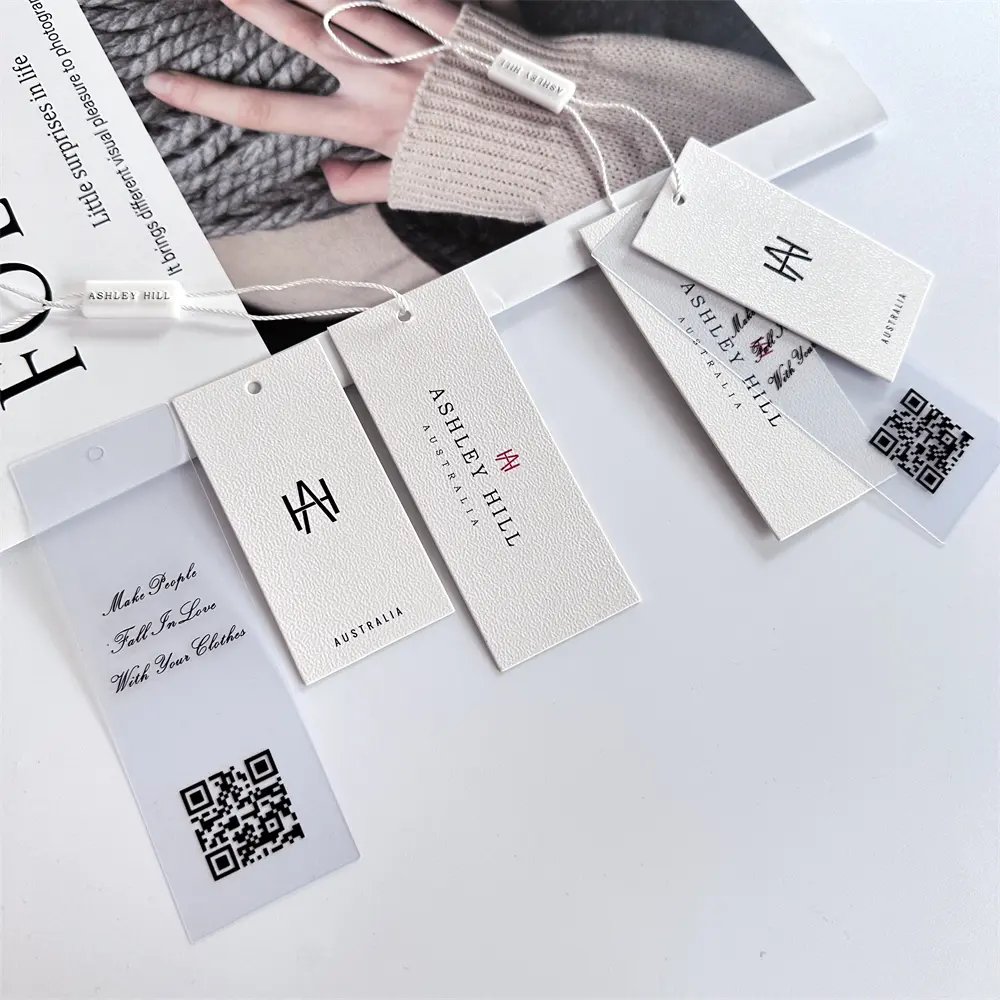
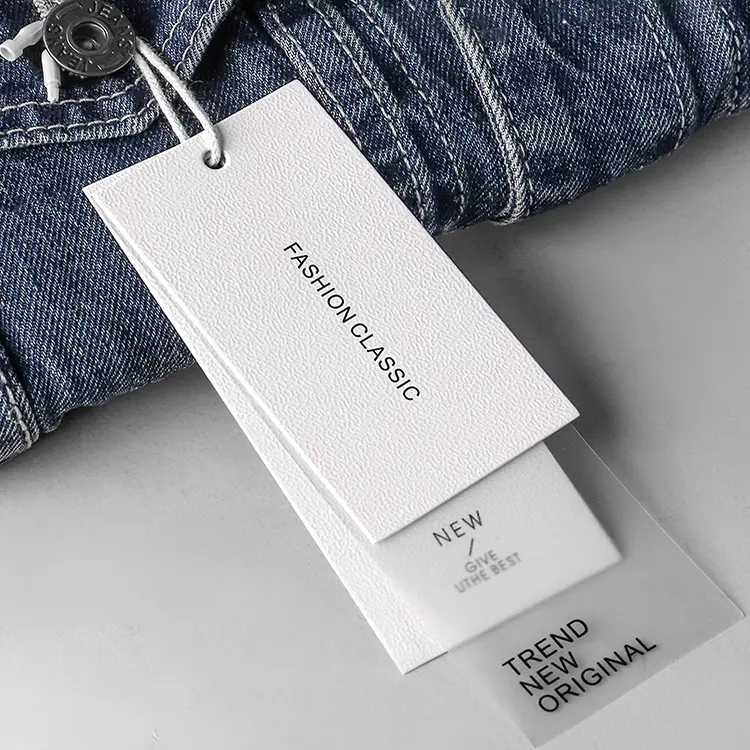
LIJIE offers customization of sewn labels, woven printed labels, hang tags, packaging bags and more.
• Minimum order quantity: 1,000 pieces
• Unit price for care and composition labels: starting from US$0.05