






Heat Transfer Labels vs. Sewn Labels: How to Choose?
Heat Transfer Labels vs. Sewn Labels
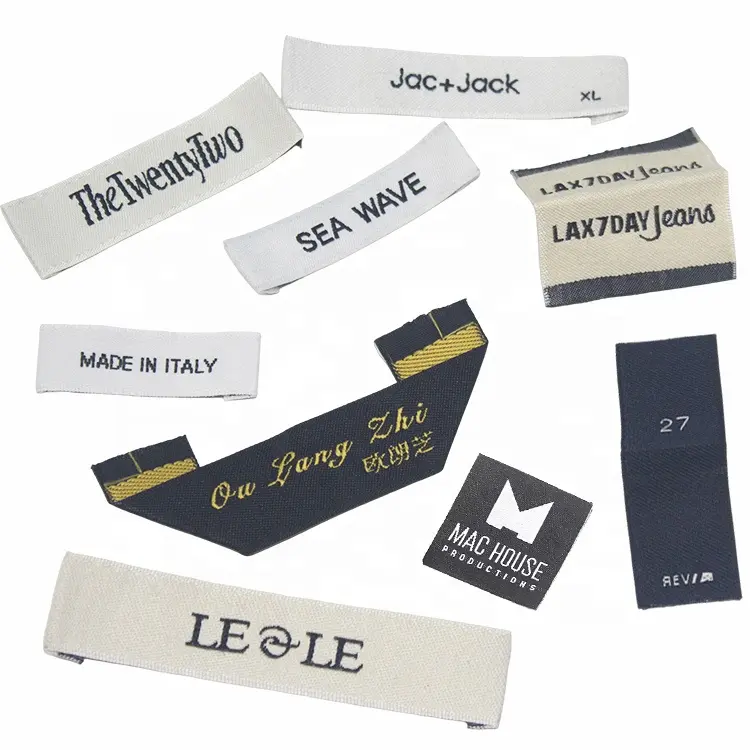
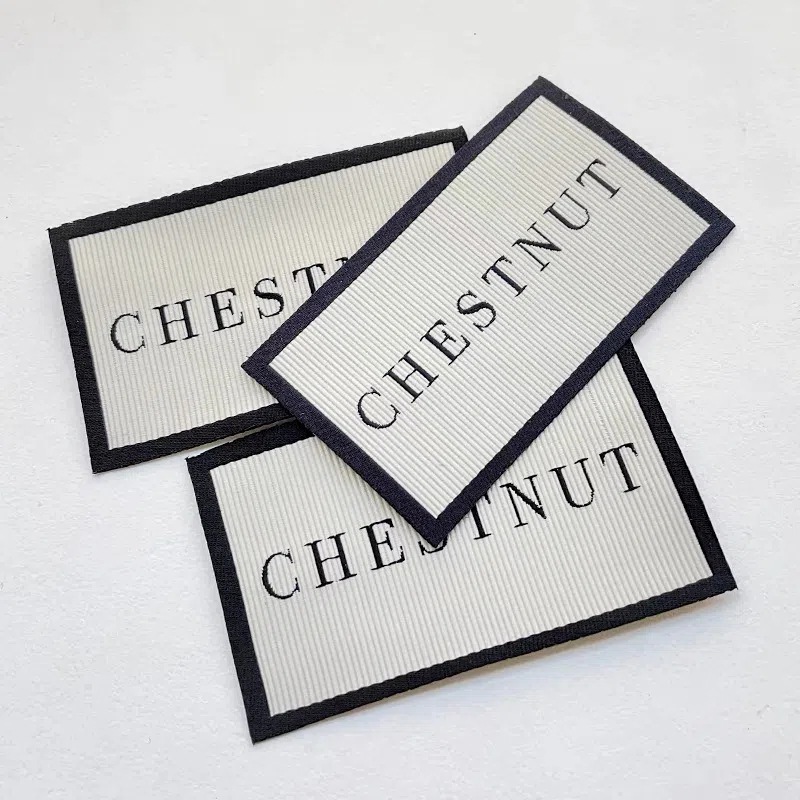
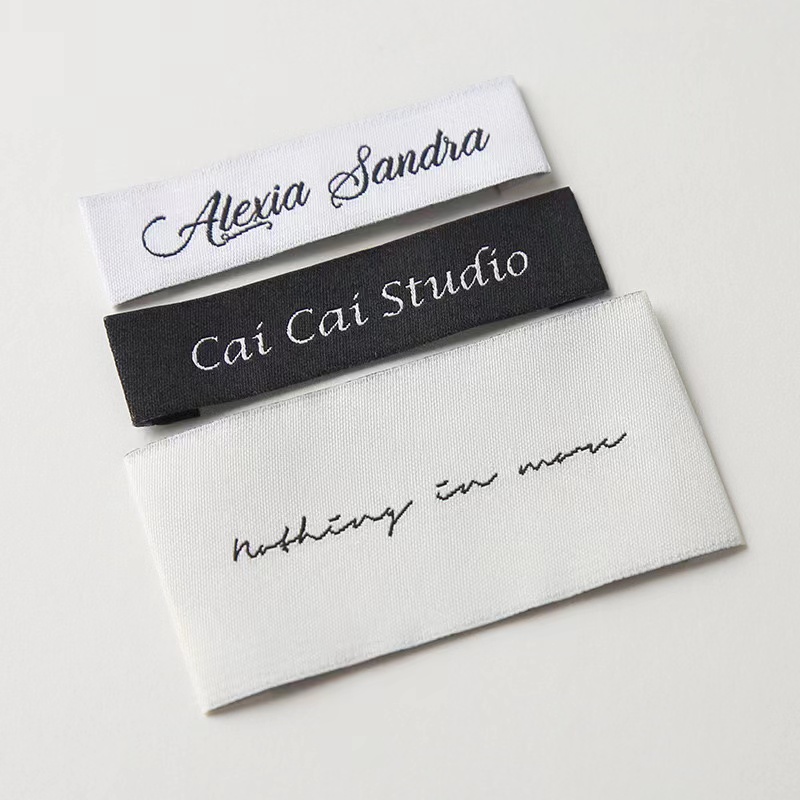
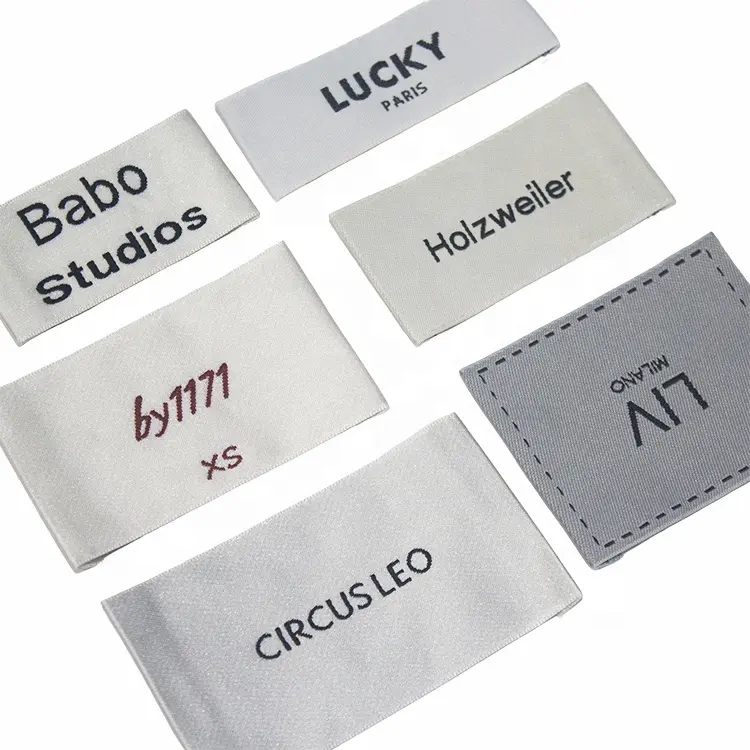
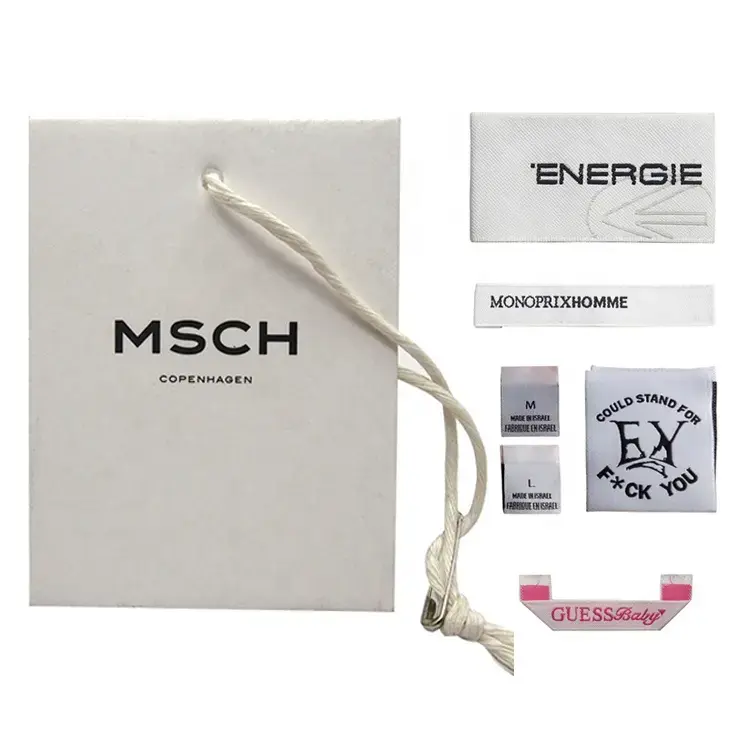
Clothing labels are practical and essential. They not only distinguish garments and highlight personality but also convey brand information and influence purchasing decisions. Sewn and heat transfer labels are the mainstream options. Choosing the right label is crucial for building a brand image.
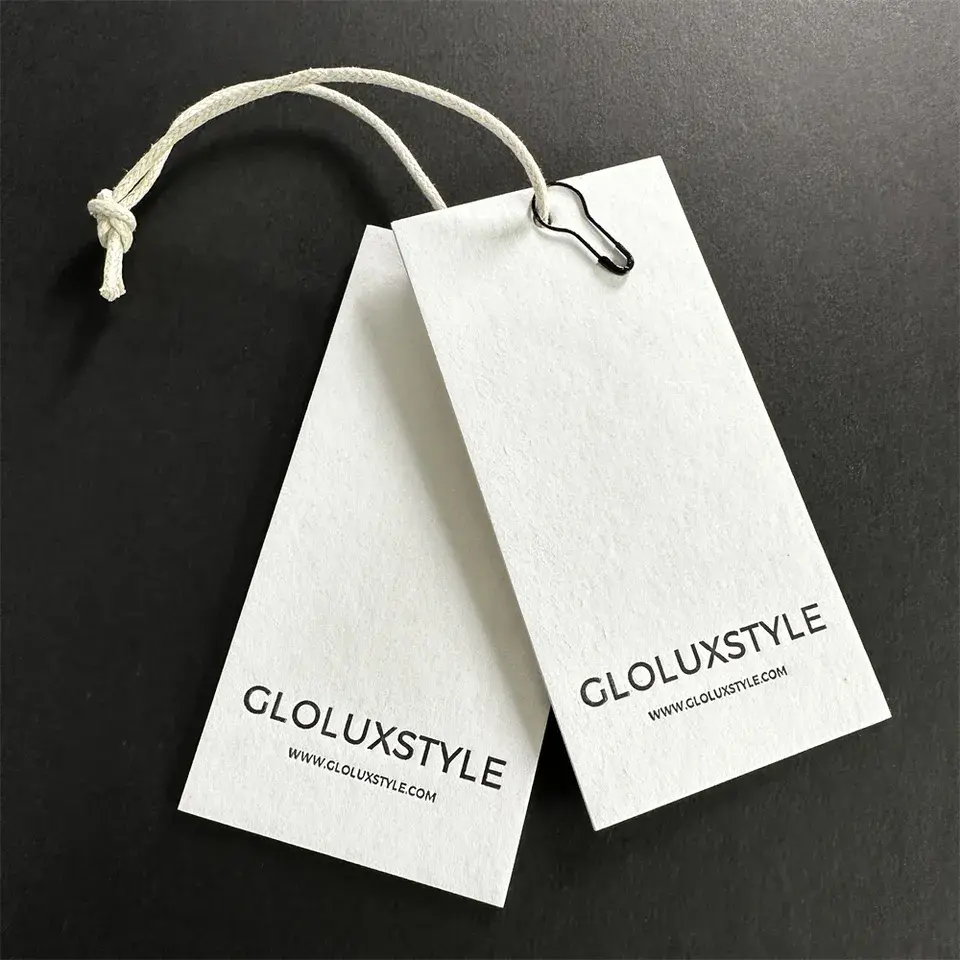
LIJIE specializes in custom sewn labels, woven labels, hang tags, packaging bags, etc. MOQ: 1,000 pcs. Woven labels from $0.05 each. Welcome to inquire and cooperate.
Heat Transfer Labels
Heat transfer labels come with adhesive on the back and can be attached to fabrics by ironing. The operation is simple and fast, taking only a few minutes to complete.
Advantages
• No sewing experience required, easy to use
• High labeling efficiency, suitable for mass production
• Smooth surface, not obtrusive
• Resist damage from regular washing and drying
Disadvantages
• Not suitable for heat-sensitive or high-temperature deformable fabrics
• Prone to peeling and curling after frequent washing
• High requirements for temperature and pressure
• Non-reusable once applied
Sewn Labels
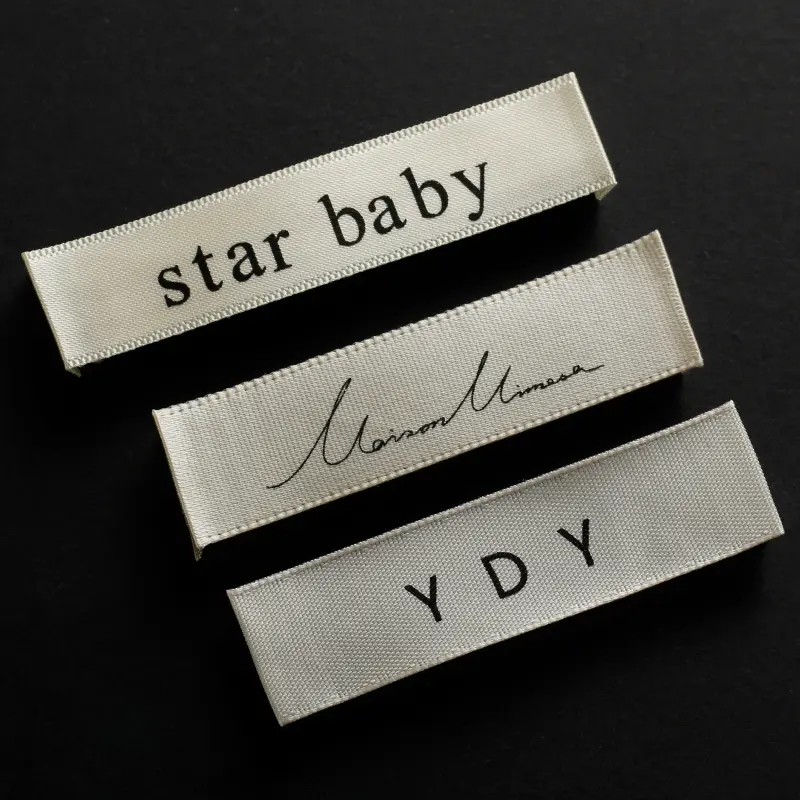
Sewn labels are fixed to garments by stitching. They offer flexible positioning, are firm and durable, making them a traditional and reliable identification method.
Advantages
• Firm stitching, wash-resistant and wear-resistant, not easy to fall off
• Suitable for all fabrics, including silk and wool
• Customizable shapes, sizes and colors to match the brand
• Exquisite craftsmanship that enhances brand texture
• No heating required, no damage to sensitive fabrics
Disadvantages
• Time-consuming sewing process
• Basic sewing skills required
• Complex procedures, not suitable for rush orders
• Poor craftsmanship may affect overall appearance
Comparison Overview
Features | Heat Transfer Labels | Sewn Labels |
Installation Method | Iron-on adhesive | Manual/machine sewing |
Speed | Fast | Relatively slow |
Skill Requirement | None | Basic sewing skills |
Durability | Moderate | Excellent |
Fabric Compatibility | Limited | All fabrics |
Reusability | Not reusable | Reusable if carefully removed |
How to Choose
• Purpose: Heat transfer labels are suitable for school uniforms and children’s clothing; sewn labels are ideal for garments requiring frequent industrial washing.
• Fabric: Sewn labels are preferred for delicate and heat-sensitive fabrics; heat transfer labels can be used for ordinary fabrics.
• Timeliness: Choose heat transfer labels for rush orders and mass production; select sewn labels for durability and quality.
• Durability: Sewn labels for long-term wear; heat transfer labels for short-term convenience.
Frequently Asked Questions
How long do heat transfer labels last?
They have a decent service life under regular washing and care. Frequent washing or use on heat-sensitive fabrics will significantly shorten their lifespan.
Can heat transfer labels be reinforced with stitching?
Yes, they become firmer and less likely to fall off after sewing.
Are heat transfer labels waterproof?
With high-quality adhesive and proper application, they are waterproof, wash-resistant and fade-resistant.
Summary
Choose heat transfer labels for speed and efficiency; sewn labels are better for durability and texture.
LIJIE provides one-stop customization for sewn labels, woven labels, hang tags and packaging bags. MOQ: 1,000 pcs. Woven labels from $0.05 each, helping your brand become more professional and recognizable.