






How Do Screen-Printed Labels Affect Apparel Brands?
Screen-Printed Labels Affect Apparel Brands
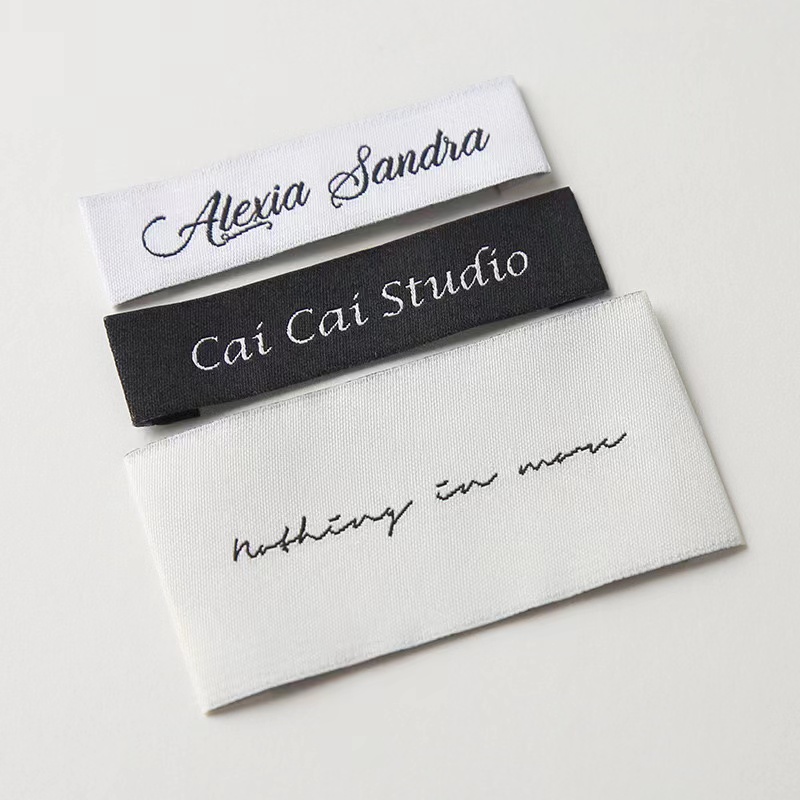
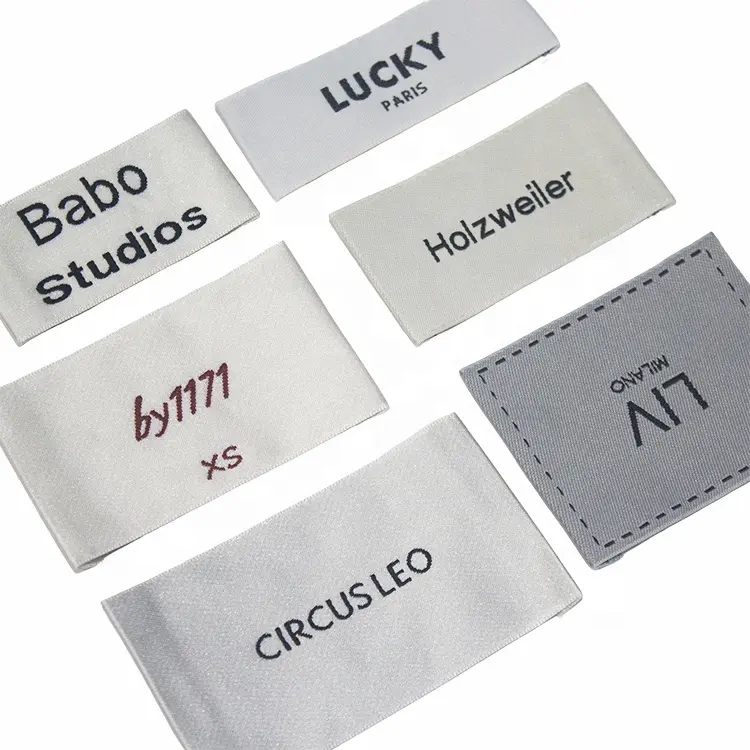
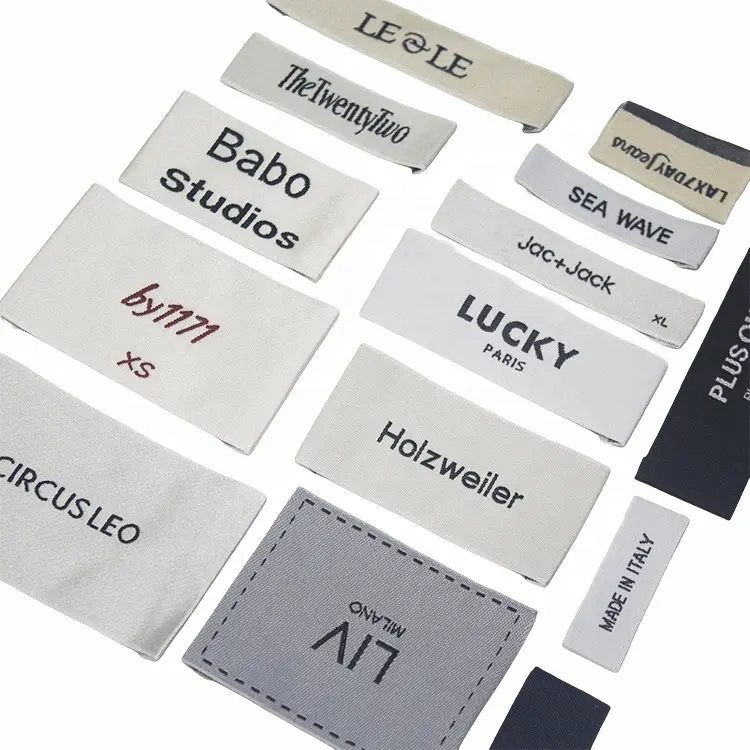
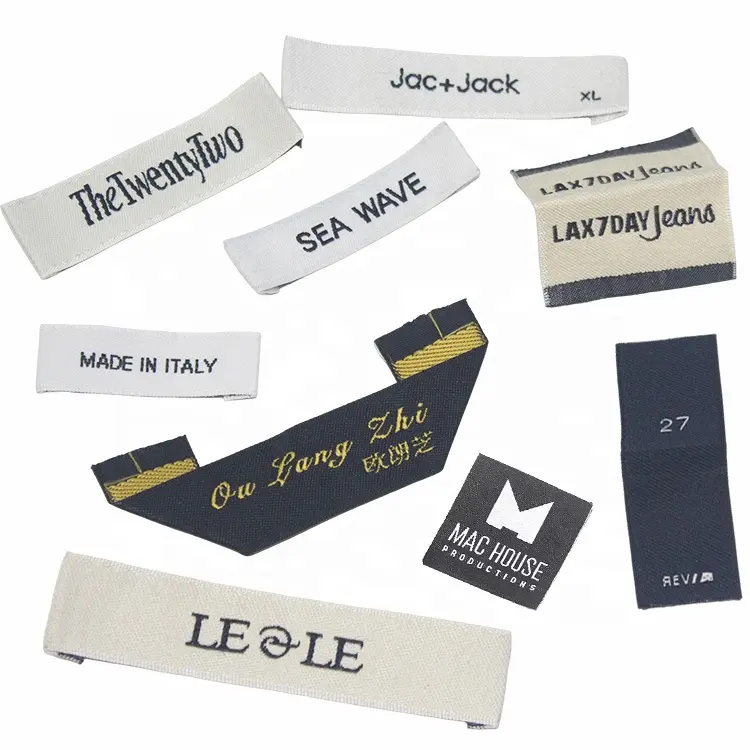
In product presentation, durability is equally important as design. Labels are the core for conveying brand identity and carrying product information, and they are also the key to helping products stand out in the market. LIJIE specializes in custom woven labels, printed labels, hangtags, and packaging bags, striving to create high-quality identification products.
With a wide variety of labels available on the market, screen-printed labels stand out for their high toughness and high reliability. With deep roots in this field, LIJIE provides wear-resistant, eye-catching, and professional custom labels for apparel, outdoor equipment, and many other industries. The minimum order quantity for all categories is 1,000 pieces, and printed labels start at 0.05 USD per piece.
What Are Screen-Printed Labels?
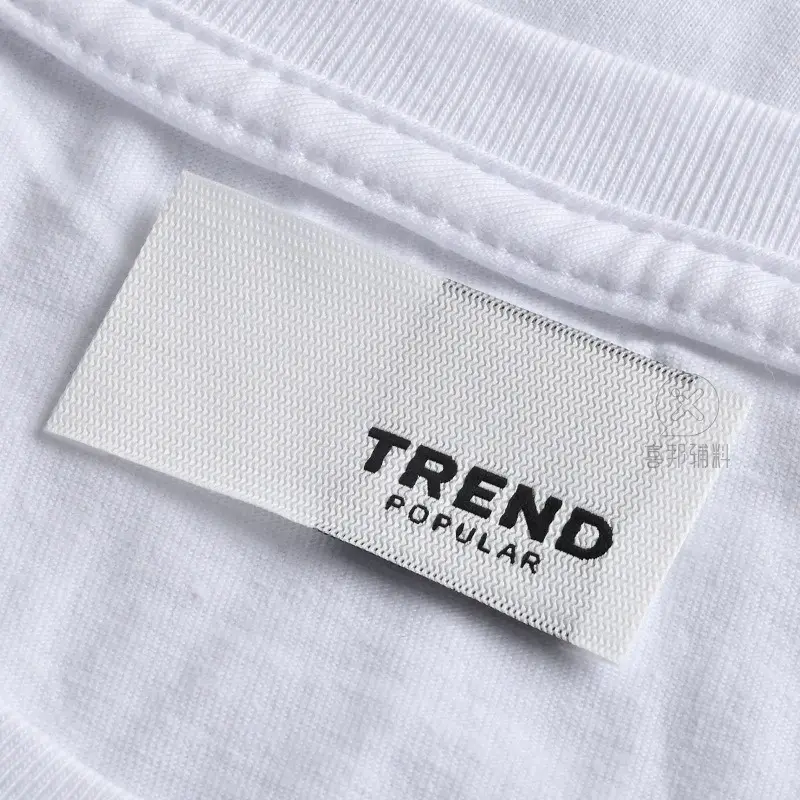
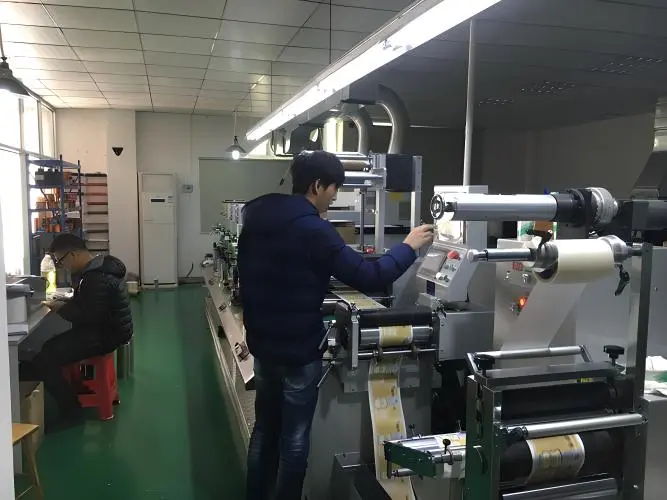
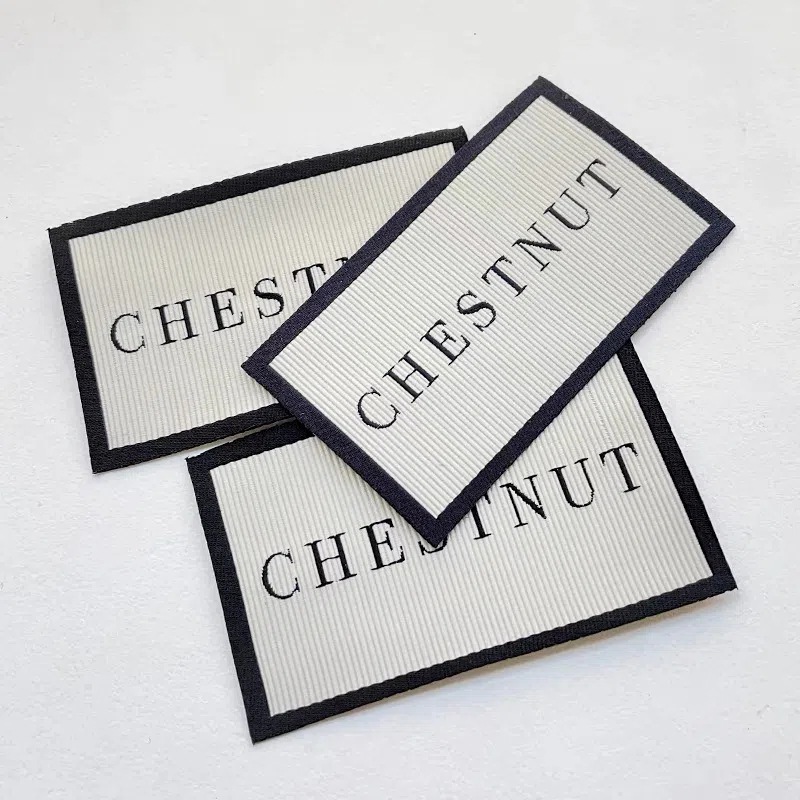
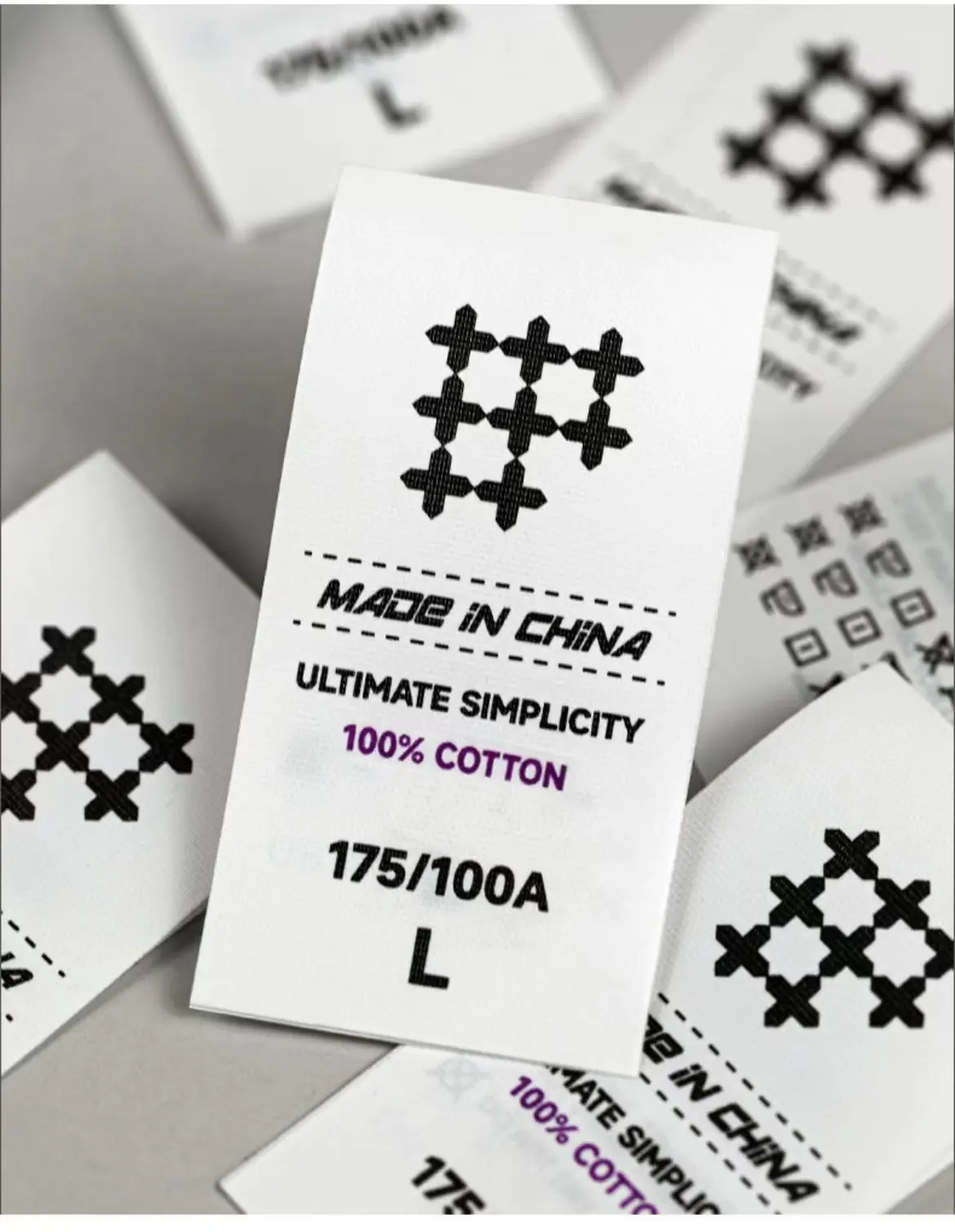
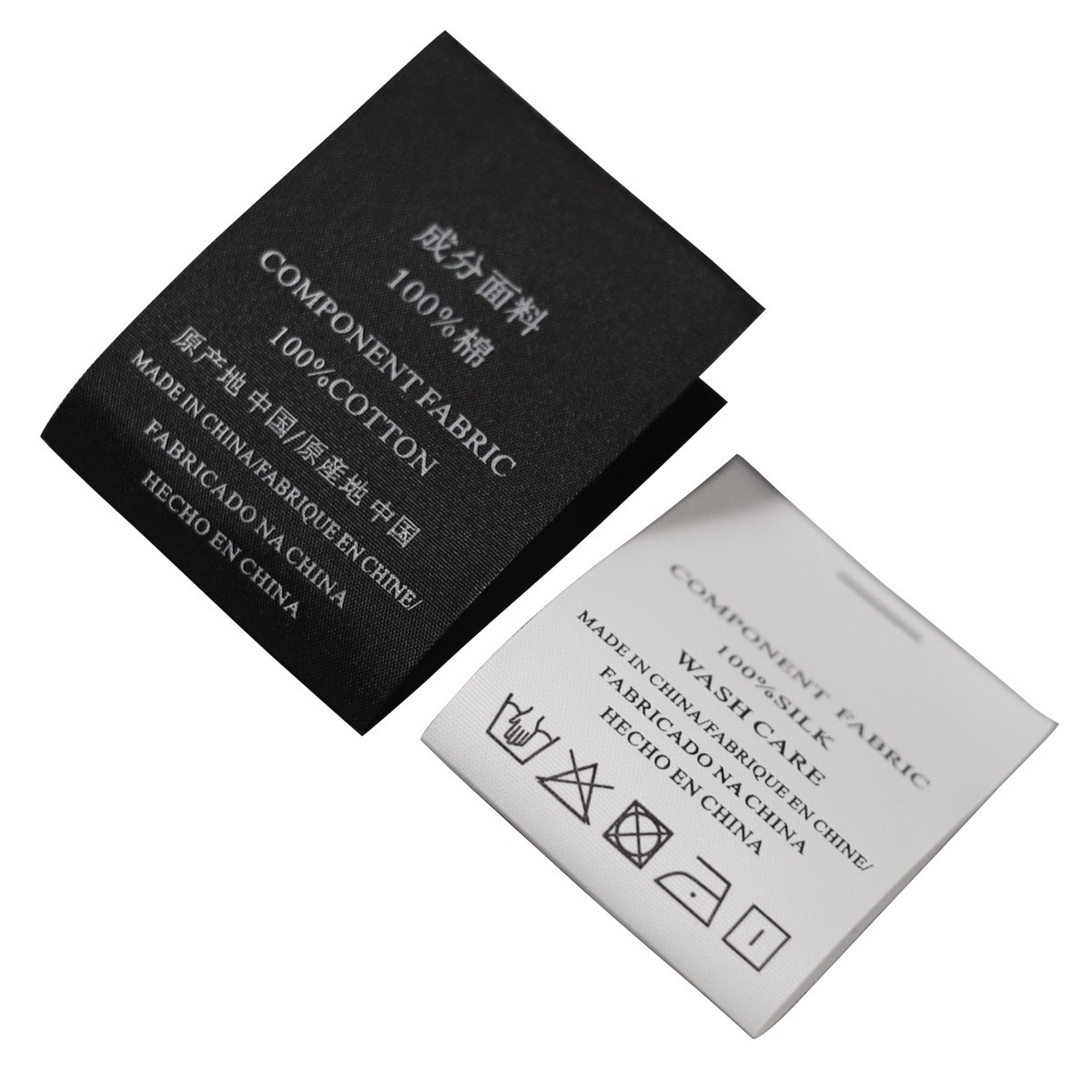
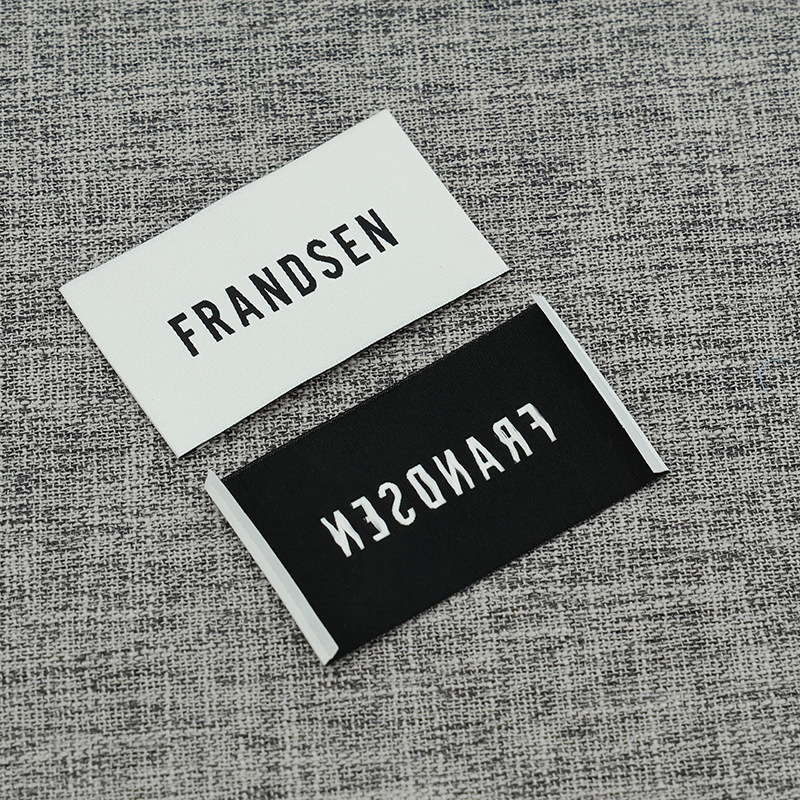
Screen-printed labels adopt traditional craftsmanship: ink is directly printed onto the substrate through a mesh screen. Featuring color-separated printing and refined workmanship, they boast a high degree of customization.
Unlike digital printing and heat transfer printing, screen-printed labels have thick, vibrant ink layers with firm adhesion. The finished products are clear and wear-resistant, and can be applied to various materials such as fabrics, plastics, and metals. They are one of LIJIE’s core customized product categories.
The Importance of Label Durability
Labels are not disposable identifiers; their service life must match that of the product. Fading care instructions or falling-off safety labels not only affect user experience but also easily lead to compliance and safety hazards.
Durable labels keep brand logos, usage instructions, and other information clearly legible throughout the product life cycle. LIJIE screen-printed labels can withstand various harsh environments and ensure effective information delivery.
Five Durability Advantages of Screen-Printed Labels
The durability of LIJIE screen-printed labels comes from five core advantages, far surpassing conventional printing methods:
• Thick Ink Layer: Thick and high-density ink layer that resists fading and peeling even after repeated touching or exposure to harsh environments.
• UV Resistance: Specialized ink with UV-resistant properties remains bright and clear for long-term outdoor use.
• Wear Resistance: The printed surface is firm, scratch-resistant and friction-resistant, suitable for high-frequency contact product scenarios.
• Corrosion & Moisture Resistance: Coated with a protective layer, resistant to detergents, oil stains and moisture, without peeling or smudging.
• High Temperature Resistance: Customizable high-temperature resistant ink and substrates maintain stable form in high-temperature environments, meeting the needs of special industries.
Core Application Industries
LIJIE screen-printed labels meet the high-reliability demands of various industries, with core application scenarios as follows:
Apparel & Textiles
Suitable for clothing, hats, bags and luggage. Skin-friendly, long-lasting color, and resistant to fading after multiple washes – the preferred choice for apparel brands.
Industrial Equipment
Ideal for safety signs and usage instructions of machinery and tools. Oil-resistant, dust-resistant and wear-resistant, remaining clear for a long time in harsh industrial environments.
Outdoor Equipment
Meets labeling needs for tents, backpacks and sports equipment. Withstands sunlight, rain and frequent use, keeping identification information clear at all times.
Electronics Industry
Suitable for equipment warning labels, serial numbers, etc. High-temperature resistant and wear-resistant, accompanying equipment for long-term use.
Daily Consumer Goods
Used on water cups, kitchen utensils, etc. Brand logos and usage instructions match the product lifespan, maintaining a distinct brand image for a long time.
Comparison with Other Printing Methods
Compared with mainstream printing methods, LIJIE screen-printed labels have significant durability advantages:
Printing Method | Advantages | Limitations |
Digital Printing | Low cost, fast printing | Thin ink layer, no UV resistance, easy to fade |
Heat Transfer Printing | Suitable for barcodes and small fonts | Only for short-term use, no long-term durability |
Paper Labels | Low price | Easy to tear, moisture-sensitive and fade, not for long-term/outdoor use |
Although LIJIE screen-printed labels have a slightly higher upfront cost, their long-term service value far exceeds the initial investment, making them the optimal solution for scenarios requiring high durability.
Four Core Benefits of Choosing LIJIE Custom Labels
Choosing LIJIE for custom woven labels, printed labels, hangtags and packaging bags is not only a consideration of appearance but also a high-value business decision, with four core benefits:
• Cost Reduction: High label durability greatly reduces labor and material costs for re-labeling and replacing damaged labels.
• Compliance Assurance: Long-lasting clear labels continuously meet relevant regulations in compliance-required industries, avoiding compliance risks.
• Brand Strengthening: Eye-catching and long-lasting labels enhance consumers’ brand recognition and trust, stabilizing the brand’s market image.
• Experience Improvement: Full-cycle legible product care and usage information optimize consumer experience and increase brand satisfaction.
Label durability is an invisible reflection of product quality. Whether it is the high requirements of apparel brands for washing fastness, or the demand of equipment manufacturers for long-lasting and clear safety information, LIJIE can accurately meet them.
LIJIE provides full-category customization of woven labels, printed labels, hangtags and packaging bags, with a minimum order quantity of 1,000 pieces and printed labels starting at 0.05 USD per piece. With thick ink layers and robust properties of UV resistance, wear resistance, corrosion resistance and high temperature resistance, we create high-reliability identification products to empower brands. Although other printing methods have advantages in speed and initial cost,