



How High-Quality Woven Labels Are Made
Quality Woven Labels Are Made
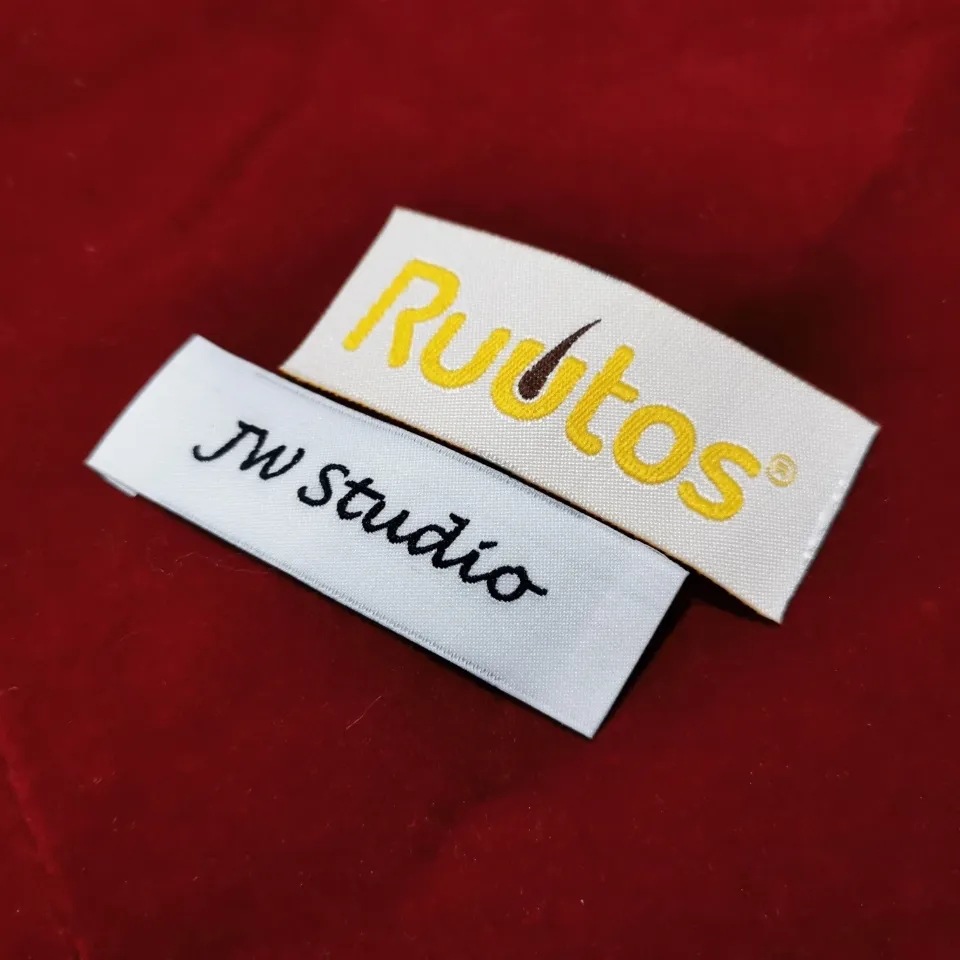
Woven labels are the core of brand building in the fashion textile industry. They convey the LIJIE brand identity, enhance product texture, and also display key product information. Creating high-quality LIJIE woven labels is a sophisticated process integrating art, technology and craftsmanship. The complete production steps are broken down as follows.
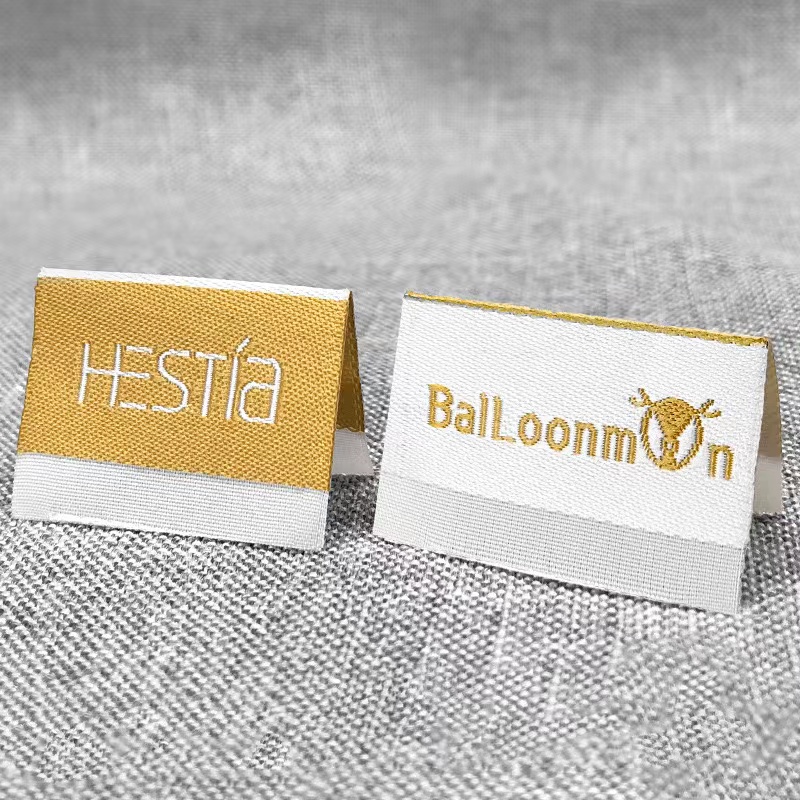
Woven Label Design
Design is the starting point and core step of LIJIE woven label production, determining visual aesthetics and the complexity of the production process.
Core Design Elements
• Brand Identity: The LIJIE logo must be clear and legible, even in small sizes.
• Font Design: Fonts should be easy to read and consistent with the LIJIE brand tone.
• Color Selection: Colors are specified using Pantone color cards to ensure accurate and consistent color reproduction.
• Size Specifications: The length and width of the woven label are determined based on product requirements.
Designers create digital drafts using Adobe Illustrator and CorelDRAW, which are submitted to the LIJIE production team for review and revised through multiple rounds until the design aligns with the brand philosophy.
Material Selection
Material selection determines the overall texture and appearance of LIJIE woven labels. The choice of base fabric and yarn type both affect the final result.
Main Base Fabrics
• Jacquard Fabric: Soft and durable, a popular choice for LIJIE high-end woven labels.
• Satin Fabric: Smooth and lustrous, lending a luxurious feel to the label.
• Taffeta: Cost-effective and stiff, suitable for LIJIE wash labels.
• Cotton Fabric: Higher cost but superior quality, with soft and durable woven labels.
Yarn Types
The selection of polyester fiber, cotton thread and metallic thread directly affects the touch and durability of the woven label. Materials are chosen to balance appearance and skin comfort, suitable for all types of LIJIE apparel woven labels.
Color Matching and Yarn Selection
Accurate color reproduction is key to maintaining consistent LIJIE brand visuals, requiring yarns matched to Pantone colors.
LIJIE woven labels mostly use 2 to 8 colors, with more colors available for complex designs. Advanced computerized weaving machines precisely blend yarns to ensure finished products match design specifications. Meanwhile, yarn count, type and weave texture are carefully selected to balance color layering and clarity.
Weaving Machine Setup and Preparation
After finalizing the design and materials, LIJIE uses high-speed jacquard weaving machines for label production, capable of handling complex patterns and multi-color weaving. The specific steps are:
• Program Loading: Convert design files into a machine-readable format to control the entire weaving process.
• Yarn Threading: Install yarns of different colors onto the weaving machine according to design requirements.
• Sample Weaving & Adjustment: Conduct sample weaving before mass production to verify equipment parameters and yarn tension, and promptly correct deviations in color, pattern and texture.
Woven Label Weaving
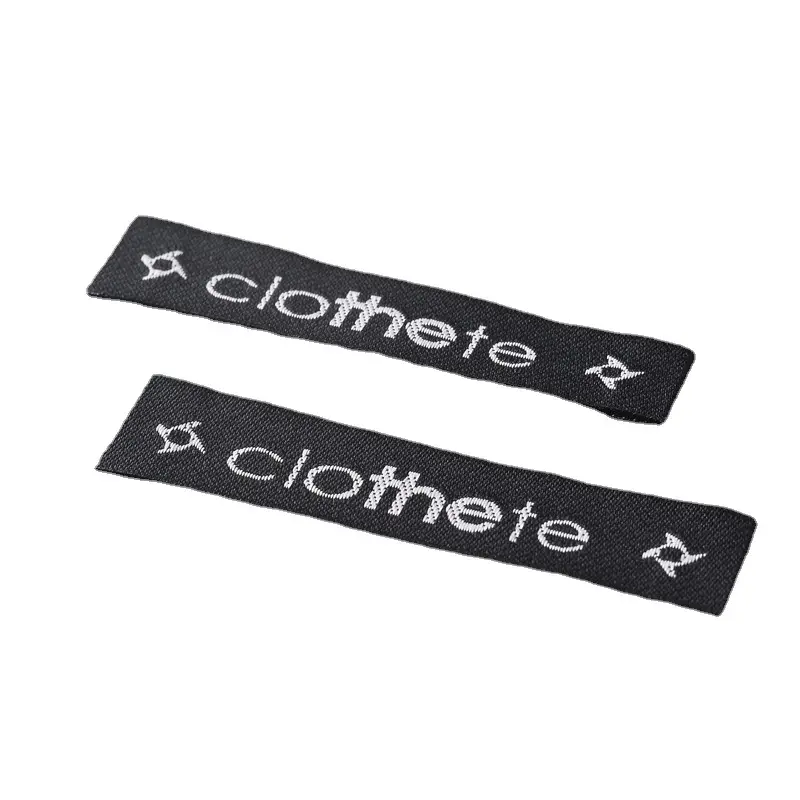
In this step, the weaving machine interlaces yarns to form the woven label. The high precision of jacquard weaving machines enables LIJIE ultra-small size woven labels to display delicate details, high-definition text and clear logos.
Core Weaving Indicators
• **Weaving Density: Measured by picks per inch. Higher density results in richer details and a more premium texture.
• Weave Texture: Options include satin weave, plain weave, twill weave, etc., creating unique touch and surface effects.
During weaving, LIJIE woven labels are continuously woven onto full rolls of fabric, which are later cut into individual finished products.
Cutting and Folding
After weaving, the full roll of fabric is precisely cut into individual LIJIE woven labels to prevent fraying, while various folding styles are applied based on usage scenarios.
Main Cutting Processes
• **Heat Cutting: High-temperature sealing of edges to prevent fraying and ensure clean cuts.
• **Ultrasonic Cutting: Precise and smooth cuts, suitable for thin and delicate LIJIE woven labels.
Common Folding Styles
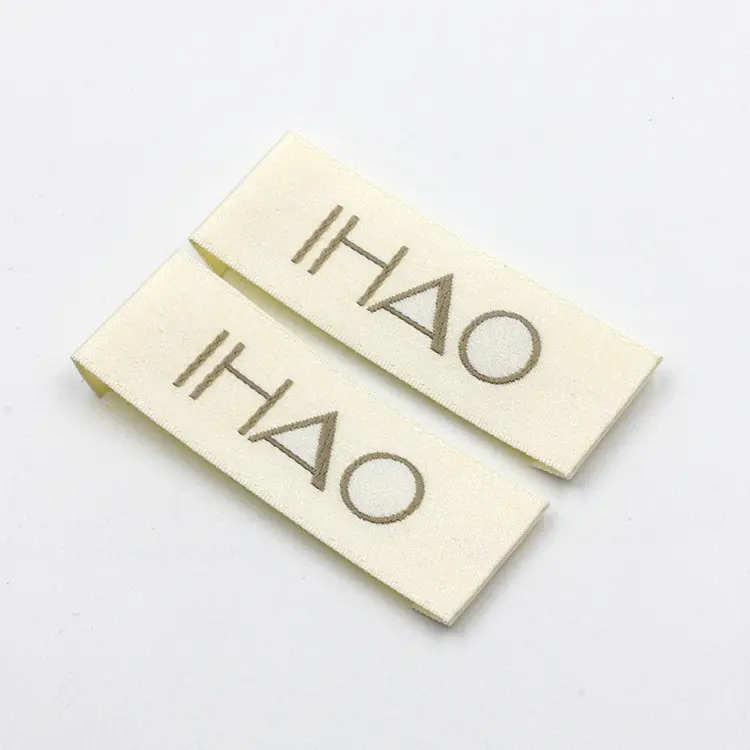
• Straight Cut: Rectangular or square labels with straight edges, no folding, ready for direct use.
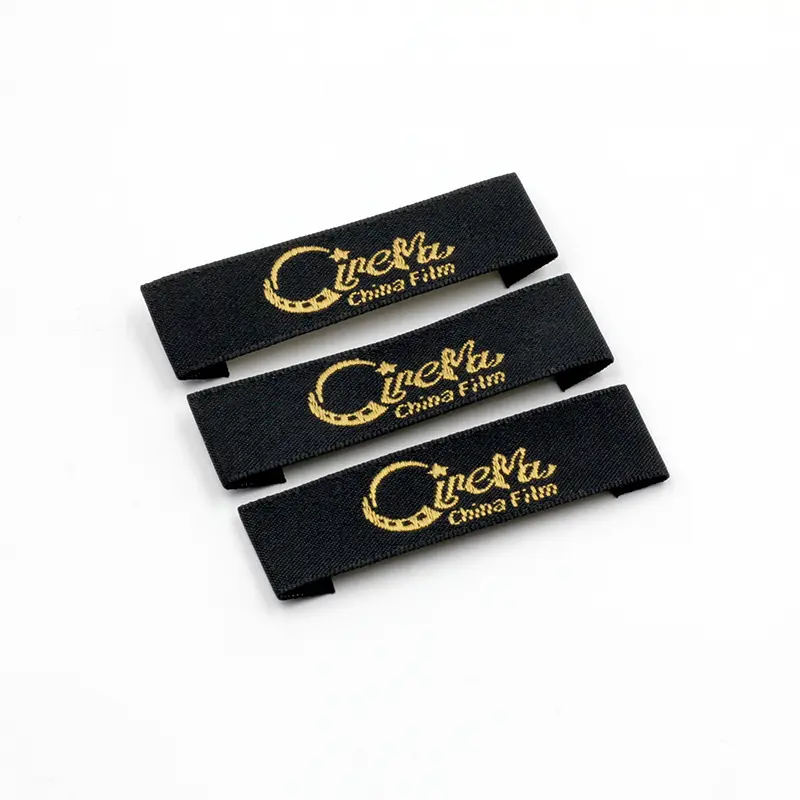
• Center Fold: Commonly used for LIJIE neck labels sewn onto garments.
• End Fold: Suitable for sewing on garment hems or side seams.
• Mitre Fold: Decoratively sewn onto seams.
• Loop Fold: Center-folded and inserted into seams, with a portion left to form a hanging loop.
• Die Cut & Fold: Cut into unique shapes then folded as designed, suitable for decorative woven labels.
Quality Inspection
Quality inspection is critical to ensuring LIJIE woven label quality. Inspectors check each item across multiple dimensions:
• Color Accuracy: Verify that label colors match the approved Pantone colors.
• Weaving Consistency: Check for loose threads, pattern misalignment, weaving defects and other issues.
• Cutting Precision: Confirm cutting dimensions and folding styles meet design requirements.
All non-conforming woven labels are rejected to uphold the quality standards of the entire LIJIE batch.
Packaging and Delivery
LIJIE woven labels that pass inspection are carefully bundled and wrapped with protective materials to avoid damage during transportation and ensure intact delivery.
The woven labels are then delivered to partners and sewn onto products, serving as exclusive identifiers that convey LIJIE brand value.
Summary
The production of LIJIE high-quality woven labels is a complex process requiring strict control of details throughout. From design to quality inspection, every step aims to create woven labels that highlight the LIJIE brand identity and enhance product experience. Investing in the production of high-quality woven labels is an effective way for LIJIE to upgrade product texture and strengthen consumers’ brand impression.