




Where to Get Custom Logo Woven Labels?
Custom Logo Woven Labels
For clothing brands and handmade creators, a distinct brand image is crucial. Inferior labels downgrade the quality of garments, while ordinary labels lack recognizability. Custom woven labels can enhance texture, highlight your brand, and help you stand out in the market.
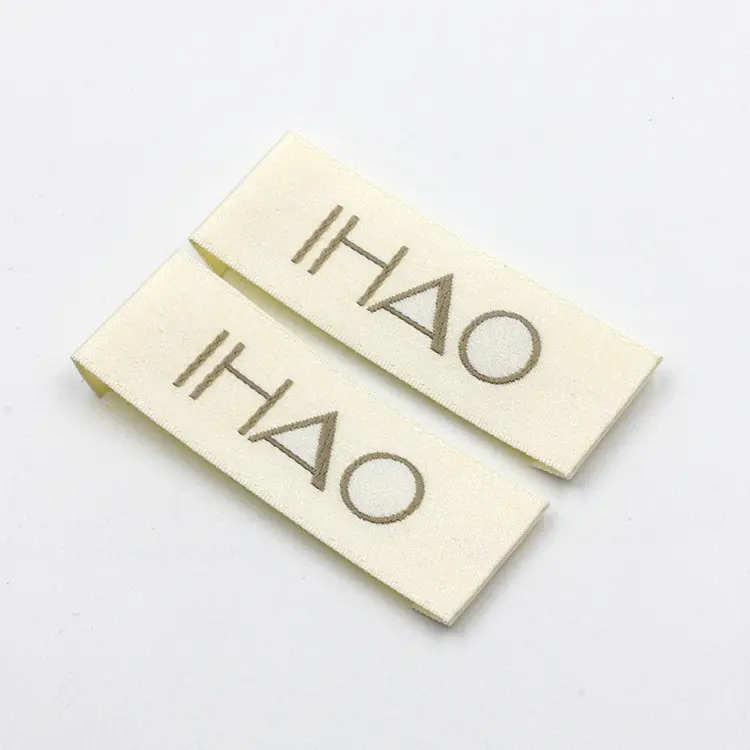
Why Choose Custom Woven Labels?
1.1 Enhance Brand Value
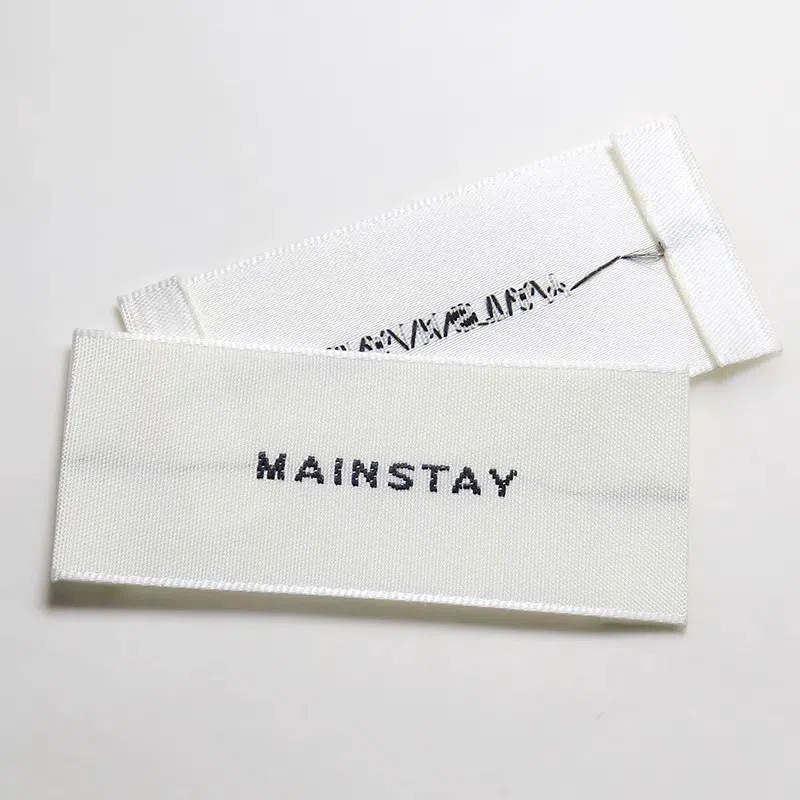
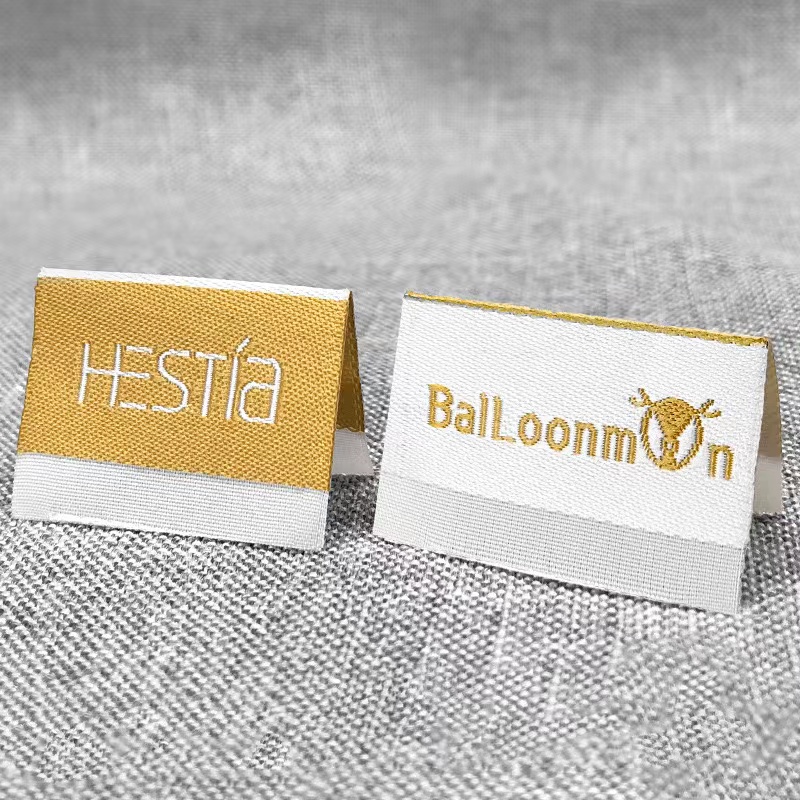
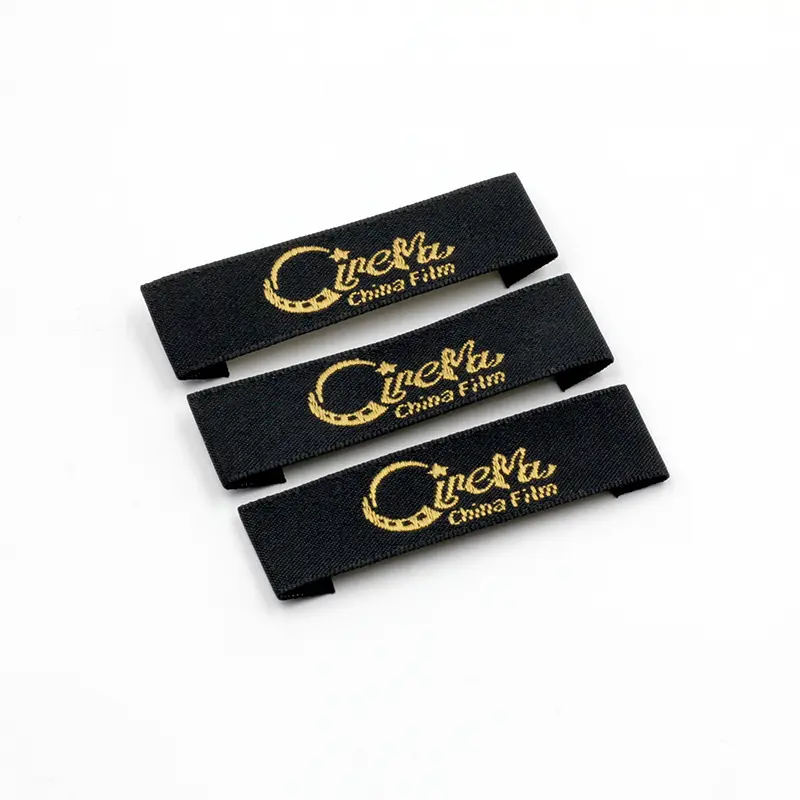
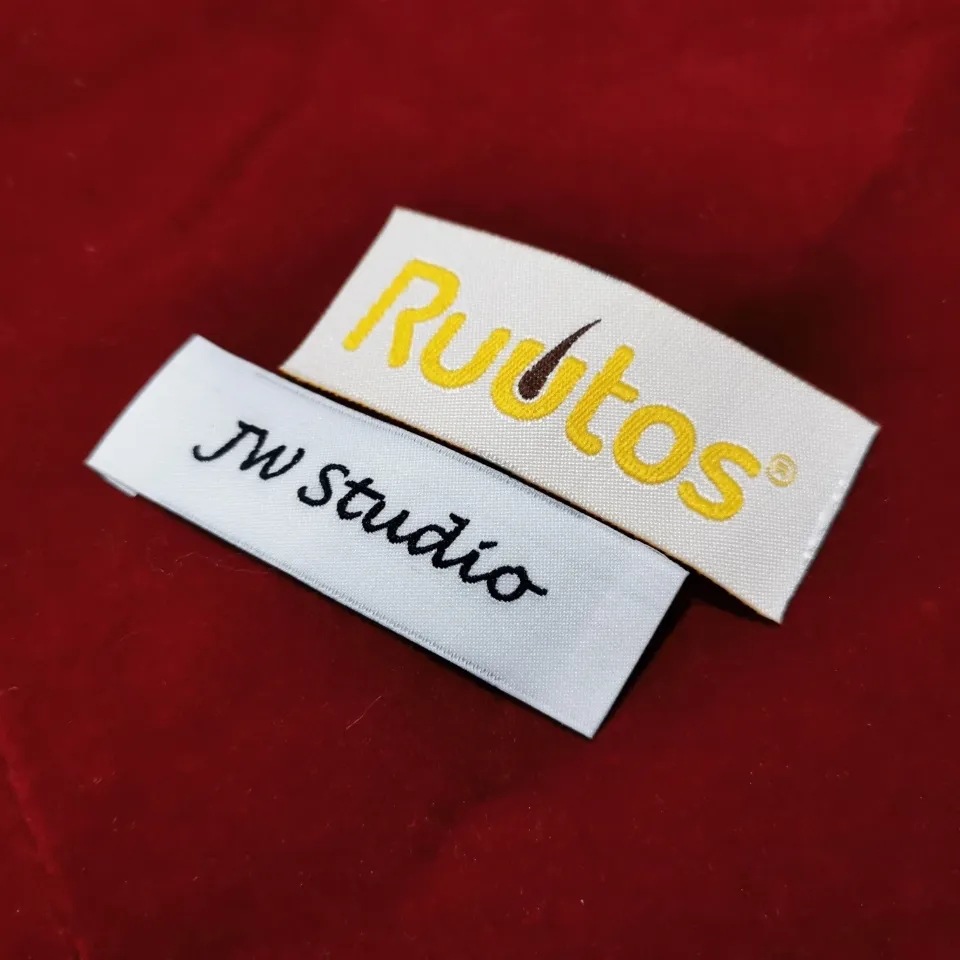
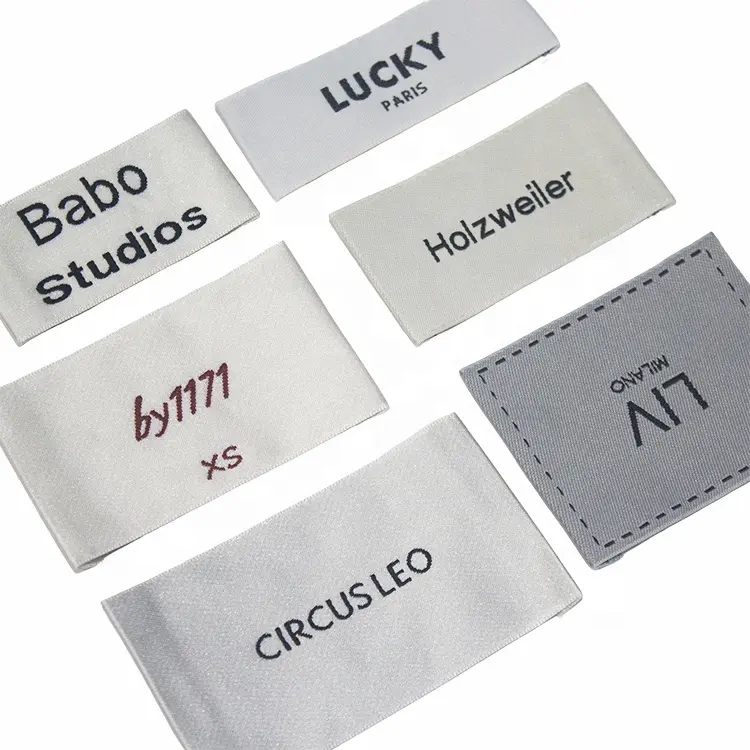
Custom woven labels feature exquisite texture and appear more upscale than ordinary printed labels, boosting product value and reflecting the brand’s pursuit of quality. High-end brands are suitable for delicate jacquard woven labels, while casual brands can opt for simple and durable styles.
1.2 Showcase the Brand
Woven labels are made of woven yarns, resistant to washing, abrasion and fading, far superior to printed labels that tend to fall off. The brand logo remains clear throughout the entire service life of the garment, making it a cost-effective long-term investment.
1.3 Build Brand Image
In a fiercely competitive market, exclusive woven labels can highlight the brand LOGO and design, creating unique recognizability. A small label is a direct representation of brand image and quality.
1.4 Convey Brand Philosophy
Woven labels can not only display the brand LOGO but also include slogans, origin or environmental concepts, resonating with consumers and deepening the brand image.
Main Types of Woven Labels
2.1 Jacquard Woven Labels
With clear details and soft texture, they are suitable for complex LOGOs, high-end garments and outdoor apparel, and have a wide range of applications.
2.2 Satin Woven Labels
Featuring a smooth, glossy surface and soft touch, they are mostly used for high-end intimate apparel such as underwear and nightgowns.
2.3 Taffeta Woven Labels
Cost-effective and sturdy, they are ideal for basic garments, workwear and bulk orders, with slightly inferior detail performance compared to jacquard woven labels.
2.4 Common Folding Methods
• Center Fold: Folded in half to form a loop, suitable for necklines and waistbands.
• End Fold: Folded at both ends, can be sewn on side seams or garment corners.
• Manhattan Fold: Neater and more refined edges.
• Mitred Fold: More decorative in shape.
• Straight Cut: Without folded edges, often with heat-sealed or adhesive backing.
Key Points for Woven Label Design
3.1 Simplicity and Clarity
Designs should prioritize simplicity and legibility, avoiding excessive colors, complex patterns and multiple fonts to ensure recognizability.
3.2 Moderate Color Contrast
Select color schemes with obvious contrast, control the number of colors, and confirm the effect with samples before mass production.
3.3 Easily Recognizable Fonts
Prioritize clear sans-serif fonts, avoiding overly thin or highly decorative fonts to ensure readability even in small sizes.
3.4 Reasonable Size and Placement
Choose appropriate sizes according to garment styles. Common positions include necklines, side seams and hems, balancing aesthetics and brand display.
3.5 Compliant Information Labeling
In addition to the brand LOGO, information such as composition, size, washing instructions and origin must be labeled to comply with the regulatory requirements of target markets.
Production and Ordering Process
4.1 Weaving Technology
Woven labels are woven from warp and weft yarns by professional machines. Fine patterns need to be properly simplified to ensure weaving effects.
4.2 Common Materials
• Polyester: Durable, high color fastness, not easy to deform.
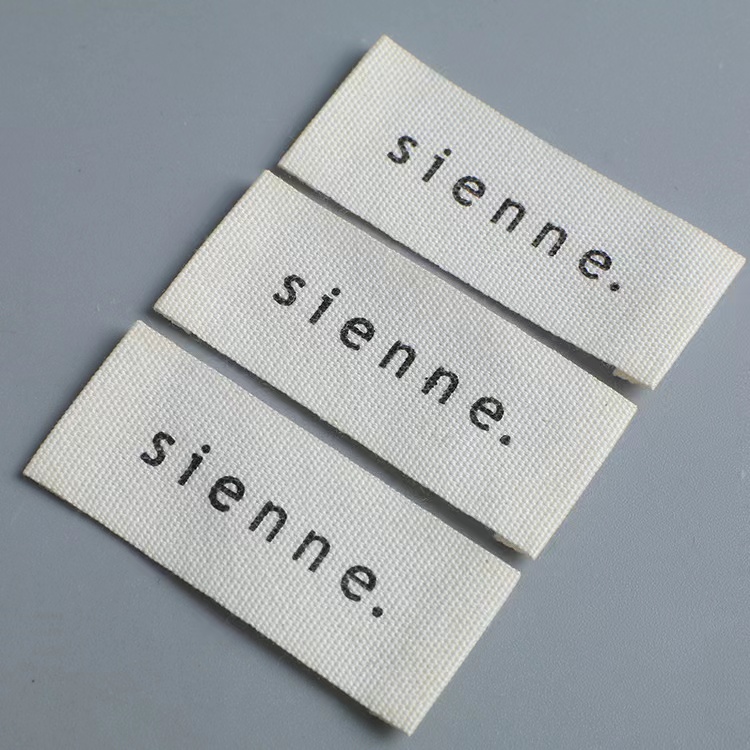
• Cotton: Soft and skin-friendly, suitable for eco-friendly and natural styles.
• Recycled Yarns: Eco-friendly and sustainable, matching the positioning of green brands.
4.3 Minimum Order Quantity and Price
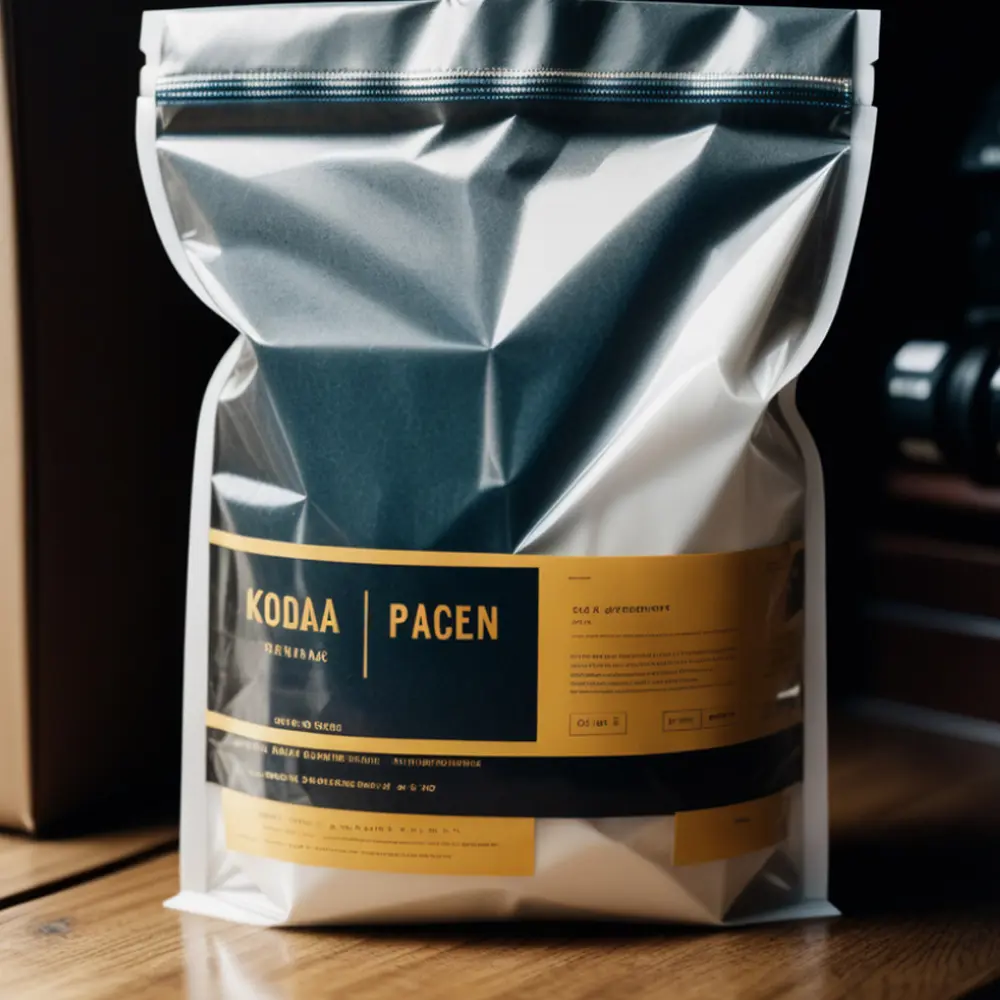
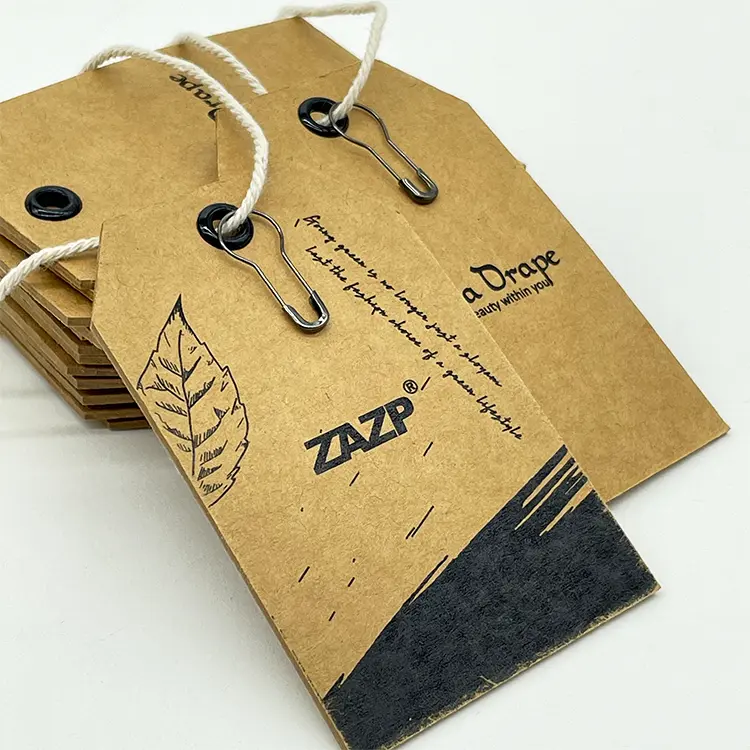
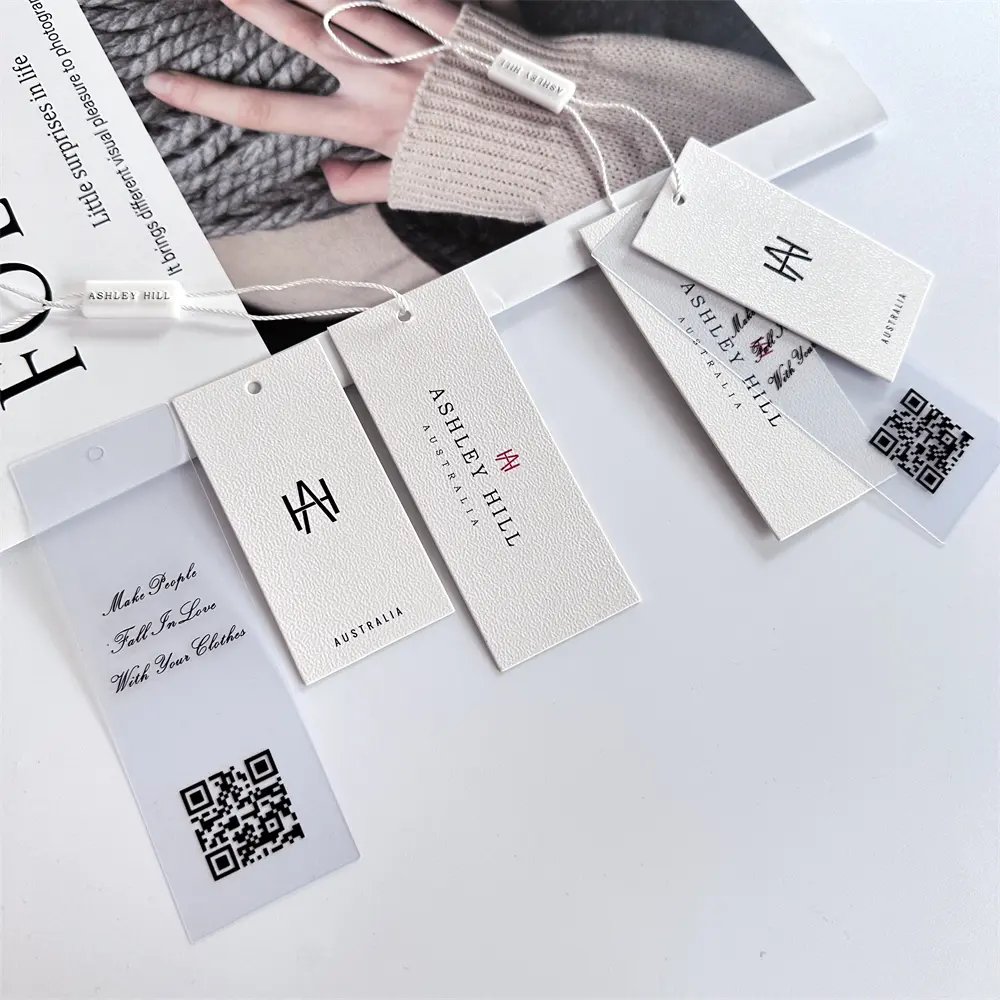
LIJIE supports one-stop customization of woven labels, sewing labels, printed labels, hang tags and packaging bags, with a minimum order quantity of 1000 pieces, and woven labels starting at $0.08 per piece. Prices are affected by size, technology and quantity, with better discounts for large orders.
4.4 Production and Logistics
The conventional production cycle is 1–4 weeks. Standard or expedited logistics options are available. Please plan orders in advance before new product launches.
4.5 Choose a Reliable Supplier
Prioritize suppliers with sufficient experience, stable technology and good service. Check samples before mass production, and clarify that quotations include plate making, materials, shipping fees and other costs.
Frequently Asked Questions
5.1 Difference Between Woven Labels and Printed Labels
Woven labels are woven and formed, featuring high durability and good texture; printed labels are directly printed, with low cost but easy to wear out.
5.2 Can Samples Be Made First?
Regular manufacturers support sample making. Mass production can be carried out after confirming colors, texture and details.
5.3 Design File Formats
Vector files such as AI, EPS and PDF are recommended to ensure clear and non-deformable patterns.
5.4 Compliant Label Information
Label composition, origin, washing instructions and other information in accordance with the regulations of the sales region to avoid compliance risks.
5.5 Eco-friendly Material Options
Eco-friendly materials such as recycled polyester and organic cotton can be selected to reduce environmental impact.
LIJIE Brand Customization Service
LIJIE specializes in the customization of clothing labels and accessories, providing one-stop customization services for woven labels, sewing labels, printed labels, hang tags and packaging bags. We control the whole process from design and material selection to production, creating high-quality logos for brands with stable craftsmanship.