


High Quality Woven Labels Design Custom
High Quality Woven Labels Design
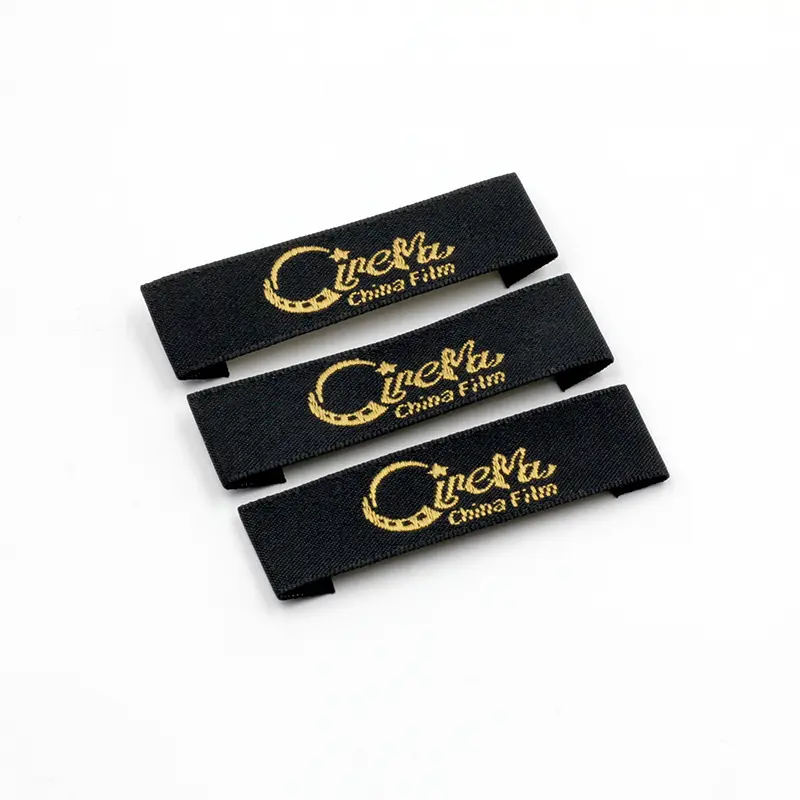
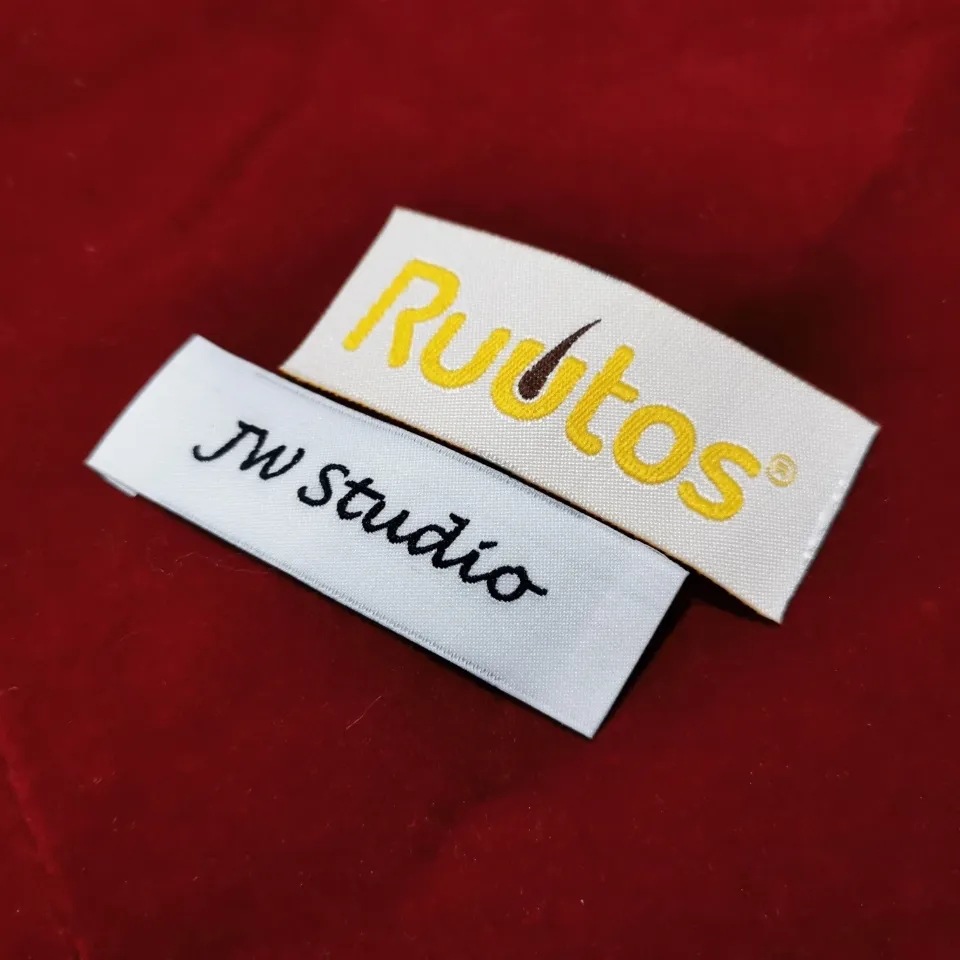
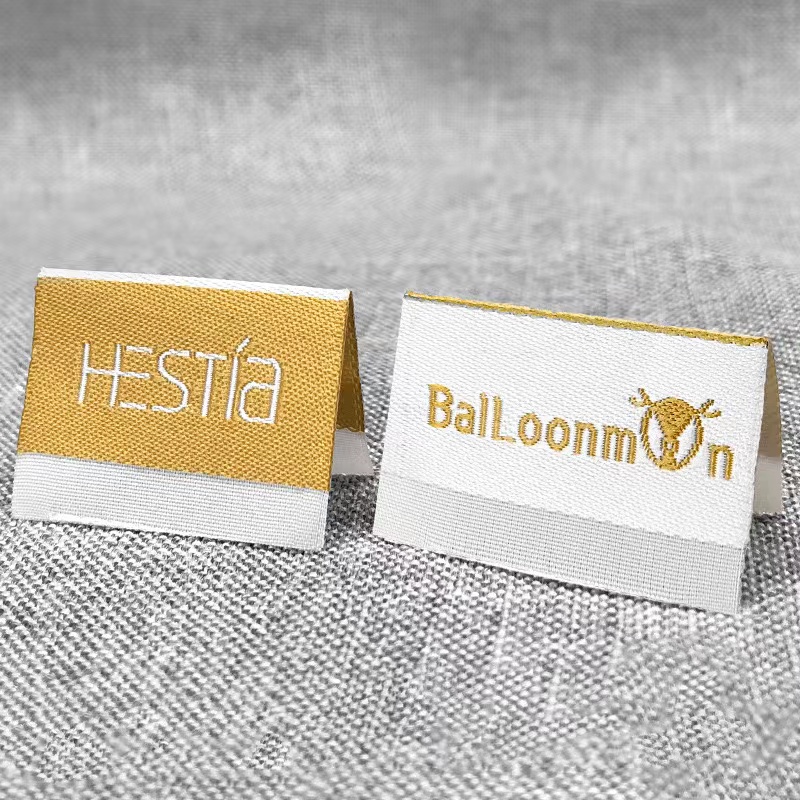
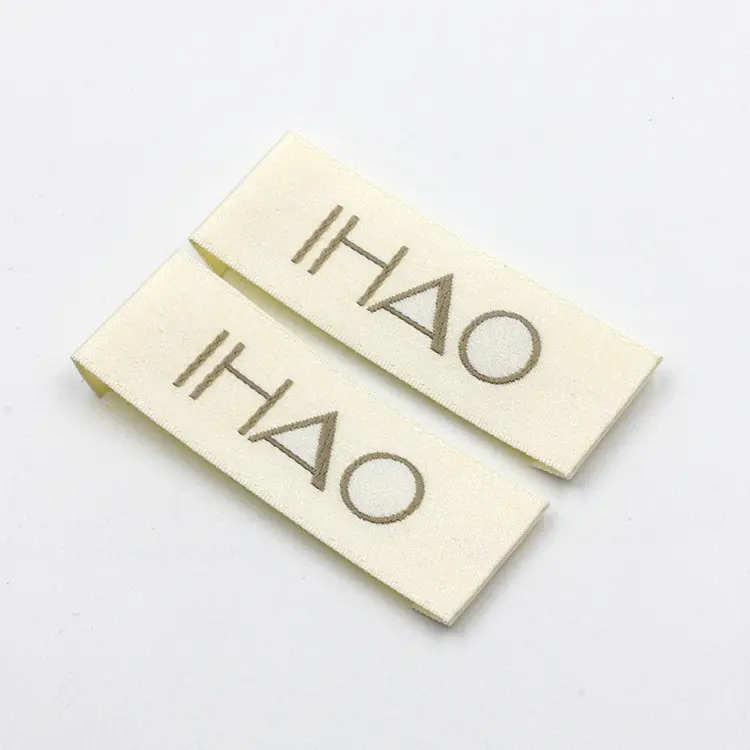
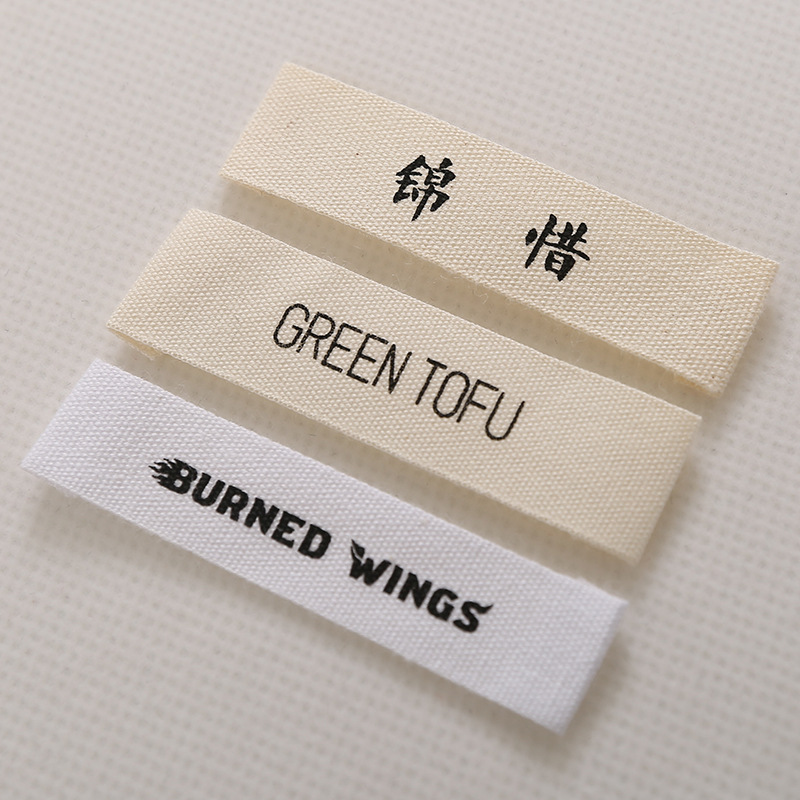
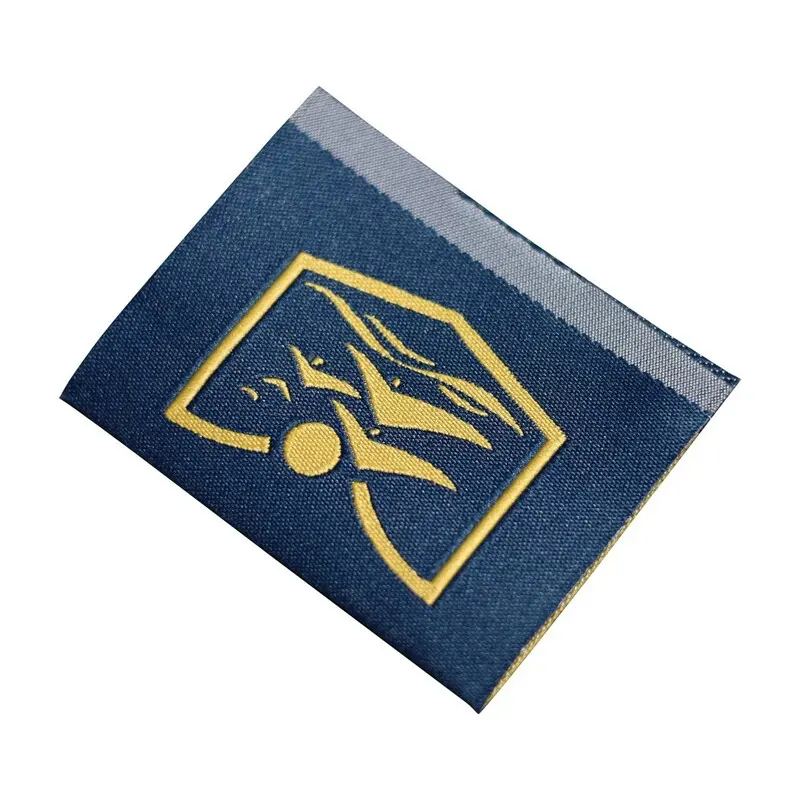
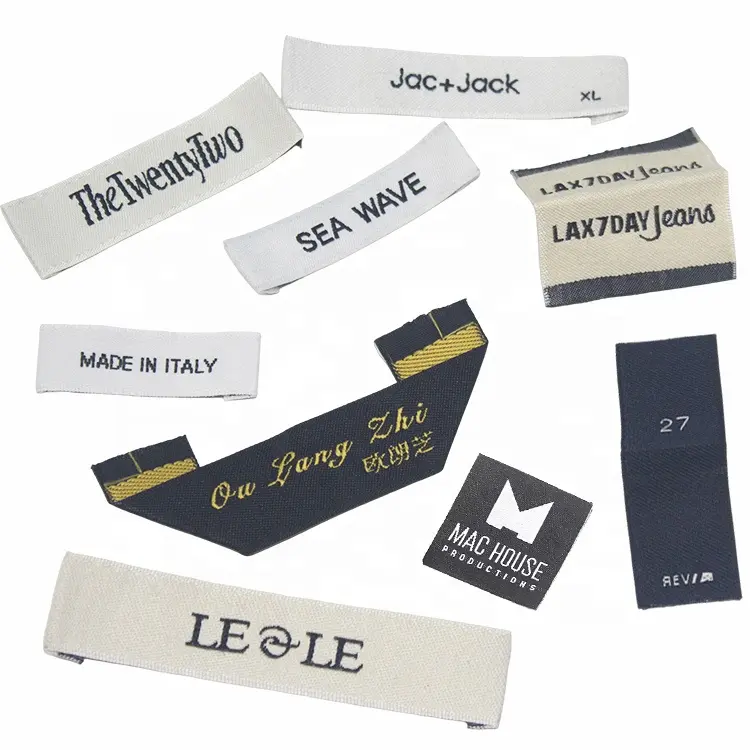
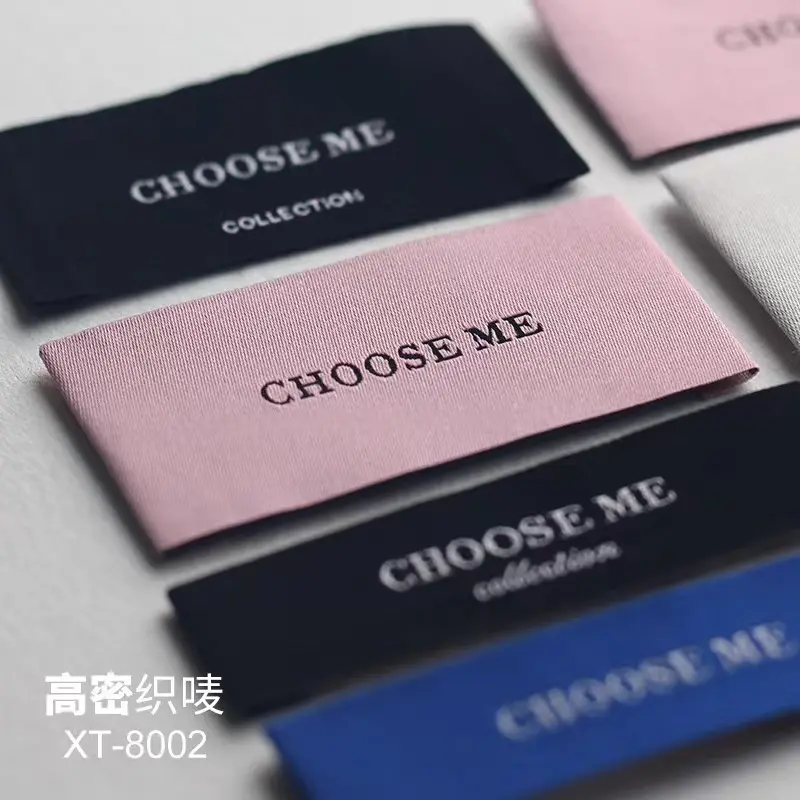
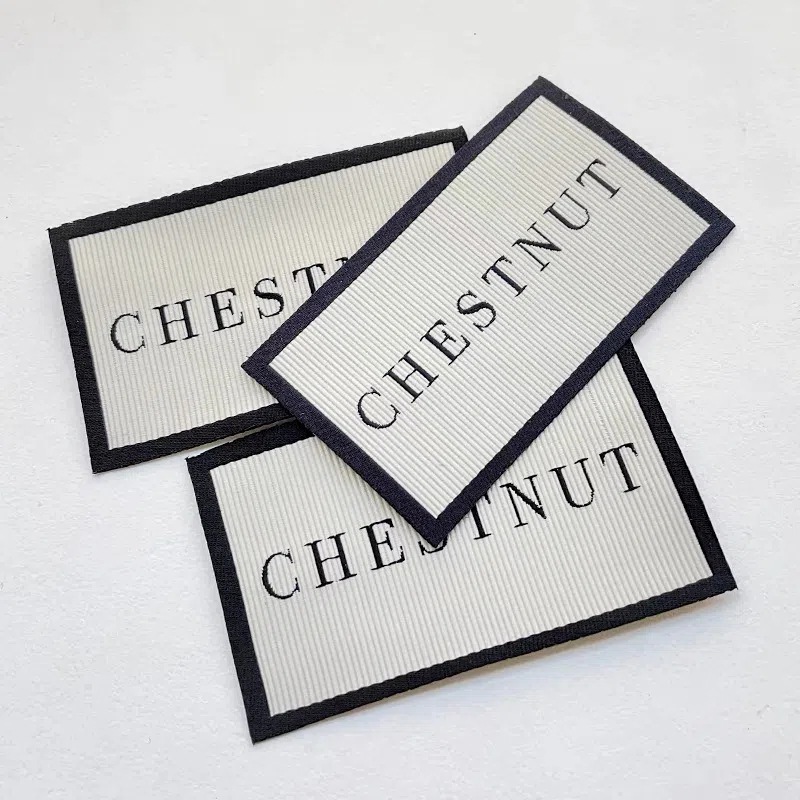
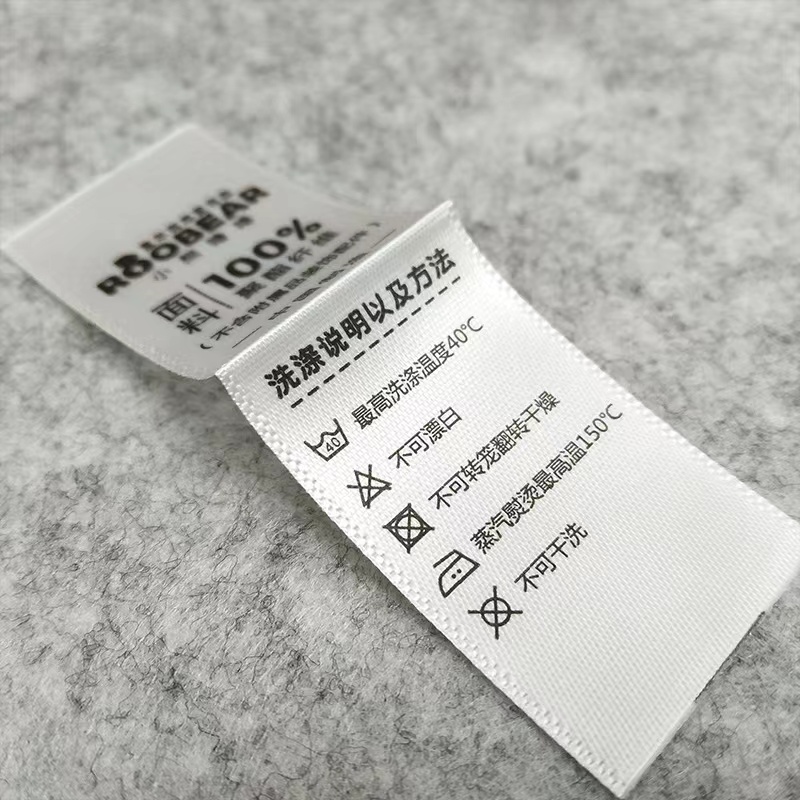
A unique brand identity is essential for standing out and resonating with your audience. Custom woven labels provide a unique opportunity to showcase your brand logo, personality, and values, enhancing your brand image and going beyond ordinary labels to create a lasting commercial legacy.
At Quality Woven Labels, the brand solutions at China LIJIE Factory are not limited to clothing labels. Below are some innovative brand applications:
hnweb_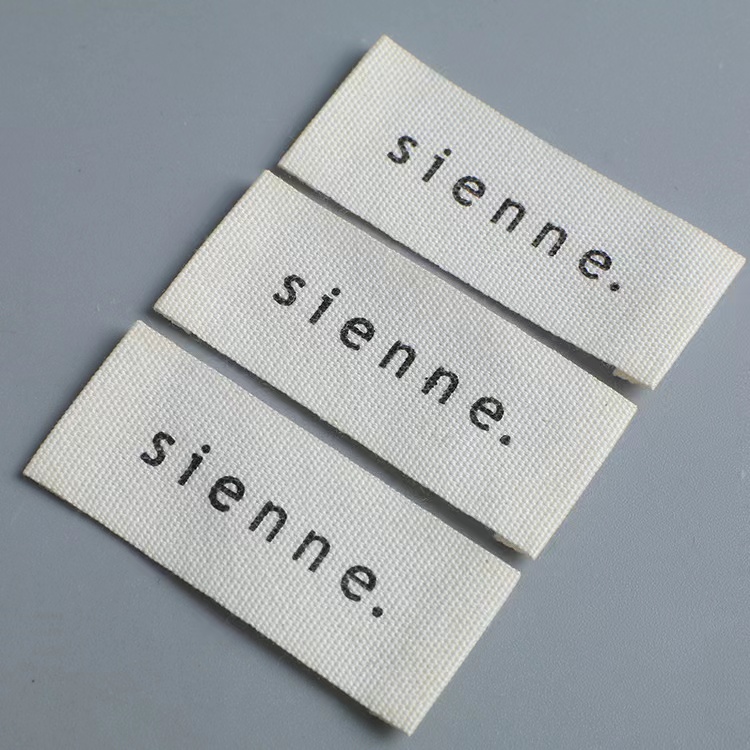
Handcrafted Products:
Custom labels add a professional touch to handmade candles, soaps, and other products, highlighting their authenticity and origin.
Home Textiles:
From bedding to towels, custom woven labels elevate the quality and aesthetic of home textile products.
Accessories:
Unique woven labels on bags, wallets, and other accessories convey the brand’s quality and durability. China LIJIE Factory also offers custom PVC and leather patches suitable for everyday items.
Footwear:
Custom labels on shoes like sneakers and boots enhance appeal and boost brand recognition.
Toys and Games:
Custom labels are integrated into toy and game designs, enhancing personalization and leaving a strong impression.
Food and Beverage Packaging:
Woven labels on food and beverage packaging convey the brand’s commitment to high-quality ingredients and craftsmanship, attracting customers.
Stationery and Paper Products:
Custom labels add a touch of elegance to notebooks, greeting cards, and other stationery, attracting discerning customers.
Tech Accessories:
From laptop sleeves to phone cases, custom labels enhance the brand style of tech accessories.
Brands can enhance their brand awareness with custom woven labels on products beyond clothing. These labels communicate professionalism and authenticity, helping brands stand out and make a lasting impression.
By leveraging the versatility of woven labels, businesses of all sizes can elevate their brand image, establish a unique identity, and build a deeper connection with their audience to succeed in a competitive market. Custom woven labels can transform brand logos and resonate with consumers.
Ready to elevate your brand with custom labels?
Quality Woven Labels offers expert guidance and personalized support at every stage, helping you create a unique brand logo. Whether you are a small business or a large enterprise, China LIJIE Factory is committed to exceeding your expectations. Contact China LIJIE Factory now to start your brand journey."