




Choose the Right Label Type for Your Apparel Brand

How to Choose the Right Label Type for Your Apparel Brand

Date Time: March 28, 2026
Reading volume: 6
Author: LIJIE

Choose the Right Label Type for Your Apparel Brand


Core Conclusion: There is no universal "best label", only choices that suit your brand. A comprehensive judgment is required based on apparel category, brand positioning, budget, and production labeling methods. Drawing on years of experience in making labels for various apparel brands, LIJIE provides a detailed explanation of the characteristics, applicable scenarios, and selection strategies of different labels.

 Right Label Type for Your Apparel Brand

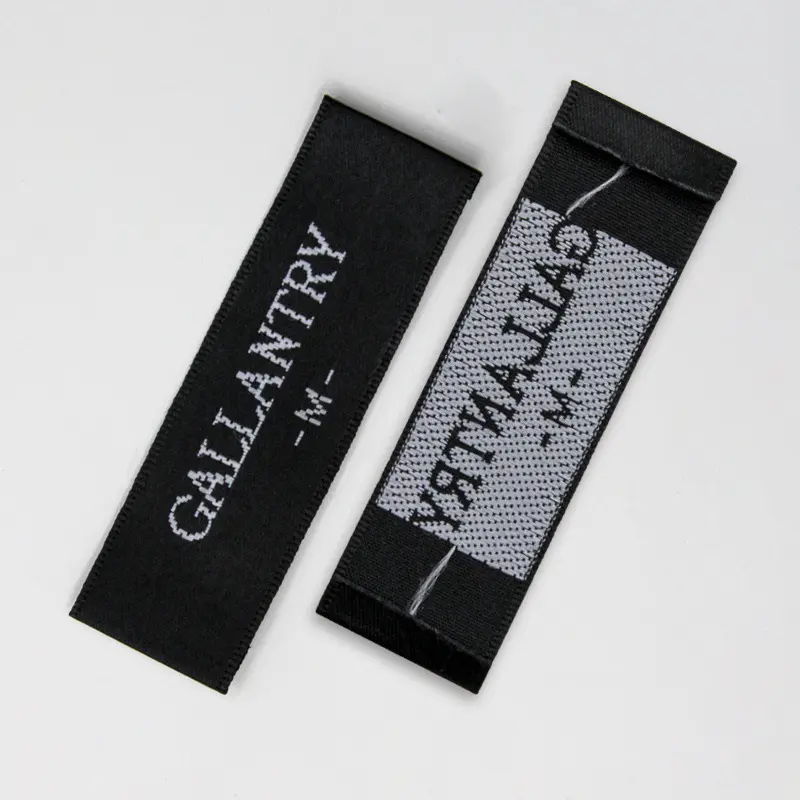
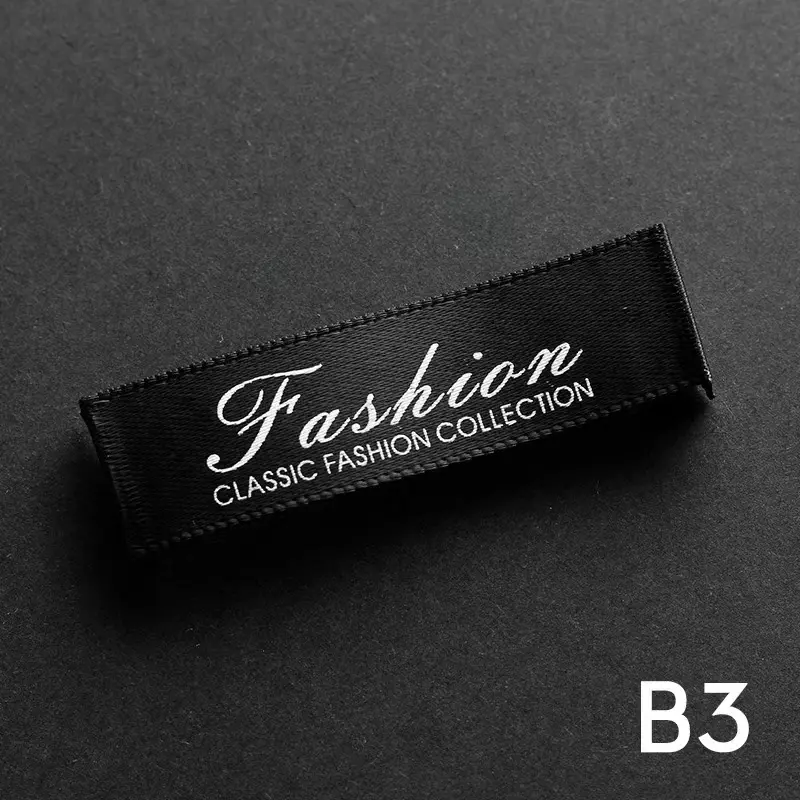
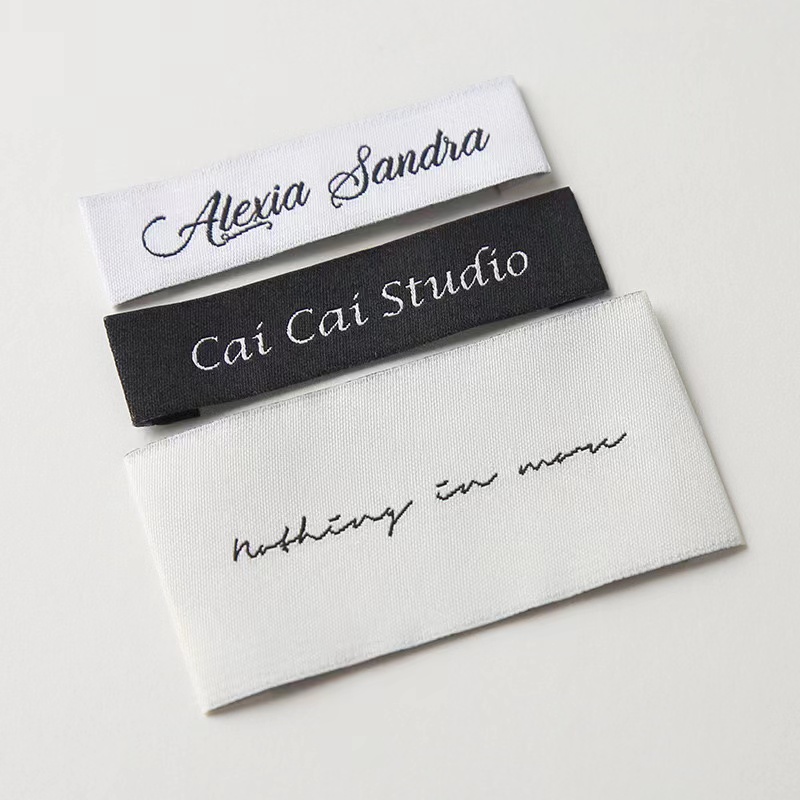
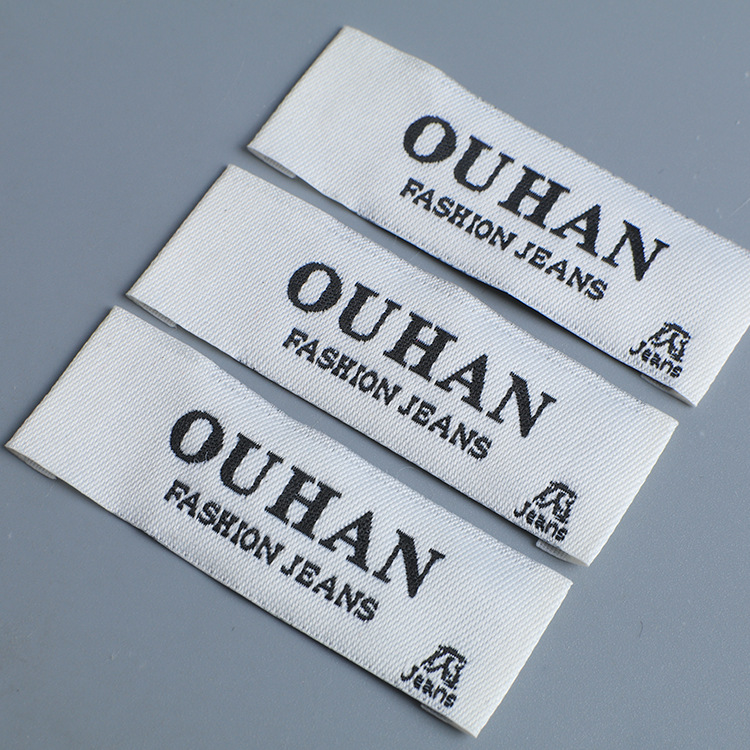
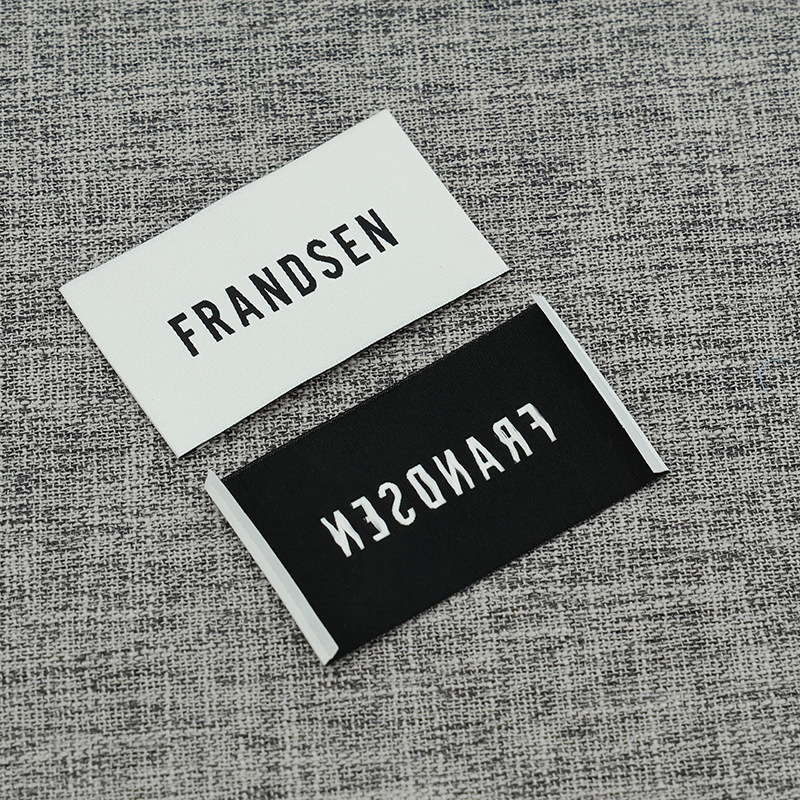
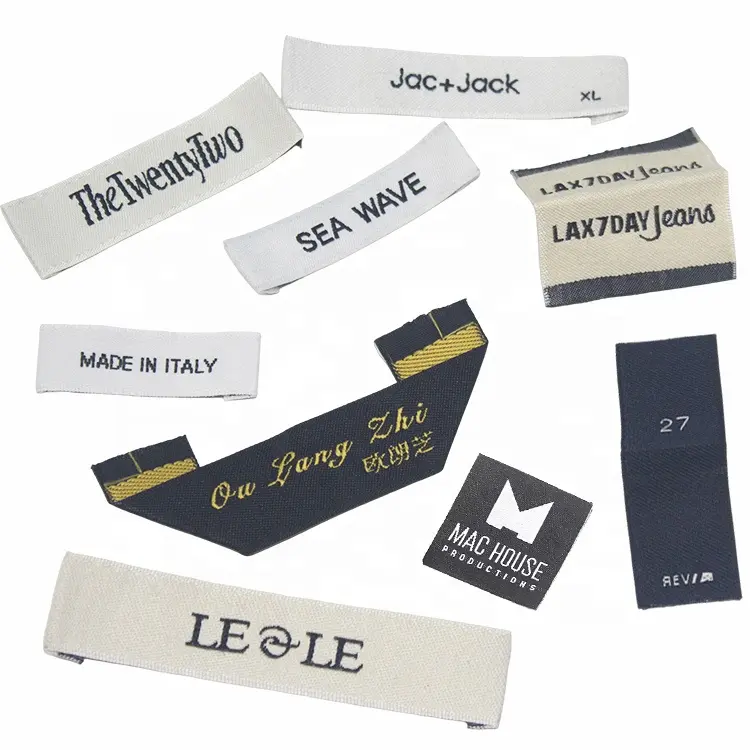
Woven Labels: The Industry Standard Choice

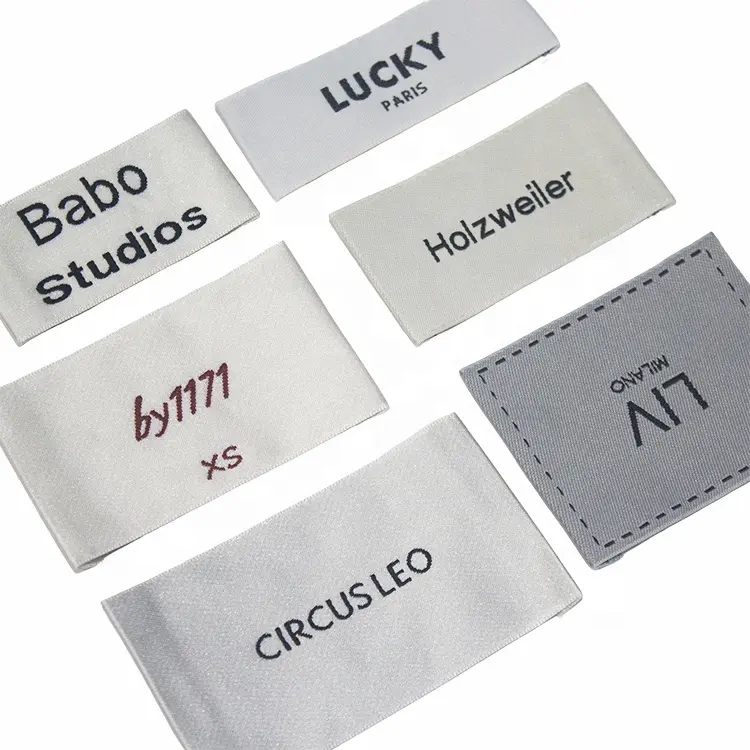
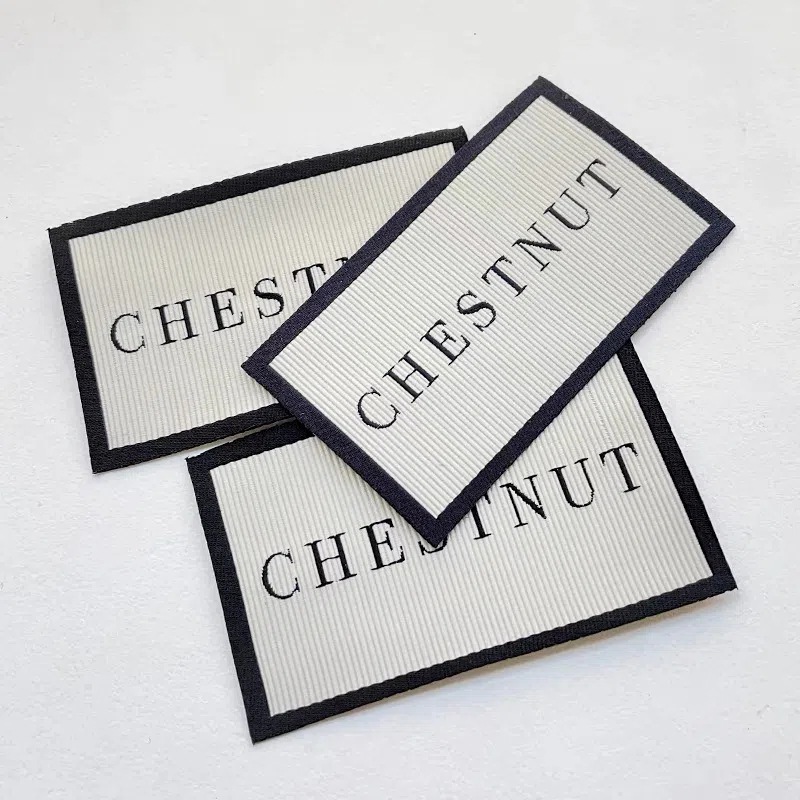
LIJIE woven labels are manufactured by digital looms, with designs directly woven into the fabric using colored yarns. They are resistant to cracking, falling off, and fading after washing, featuring high durability. Customization is supported, with a minimum order quantity of 1,000 pieces and a unit price starting at US$0.08.


Core Features

• Unique Texture: Standard for high-end apparel neck labels. Yarns deliver luster and layers, with a touch that cannot be replicated by printed labels.

• Wide Adaptability: Suitable for all categories of apparel. Styles such as center fold, end fold, and straight cut can fit any labeling position.

• Color Performance: 8–12 yarn colors meet most logo requirements; gradient/photographic designs can be produced via sublimation printing, balancing texture and color freedom.


Applicable Scenarios

Brand main labels, high-end positioned apparel, frequently washed garments, and scenarios requiring high durability.


Limitations

The minimum thickness of yarns is 2mm, making ultra-fine text and complex gradients unachievable. For ultra-large orders exceeding 10,000 pieces, the unit price is slightly higher than printed labels; the price difference for conventional order quantities is negligible.


Printed Labels: The Versatile & Cost-Effective Choice

LIJIE printed labels are made by printing ink/dye onto substrates such as cotton fabric and satin. The final effect is determined by the substrate and process, with different combinations offering respective advantages. Customization is supported, with a minimum order quantity of 1,000 pieces and a unit price starting at US$0.05.


Main Types & Features

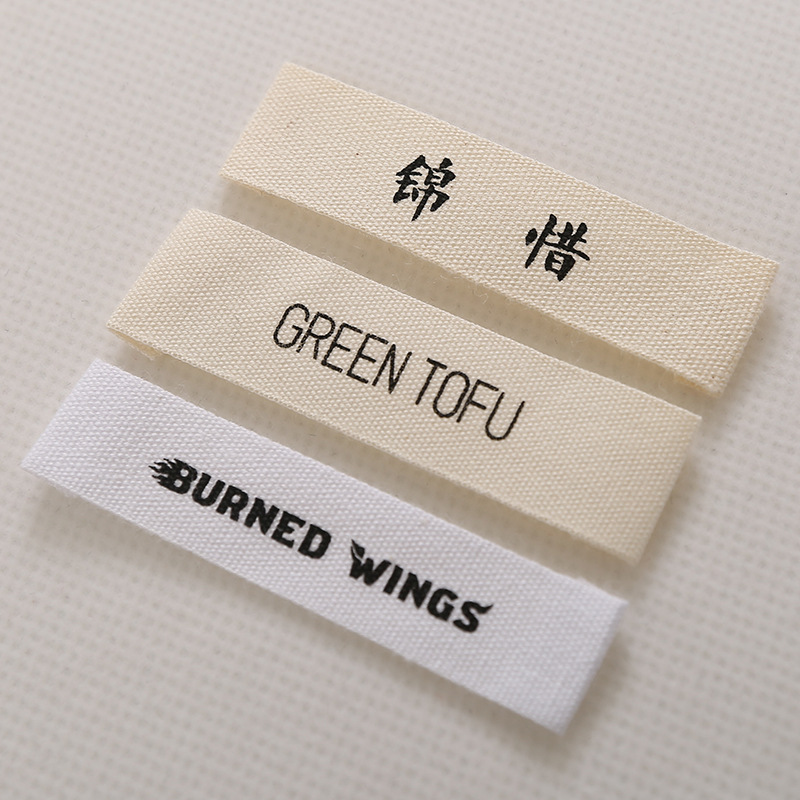
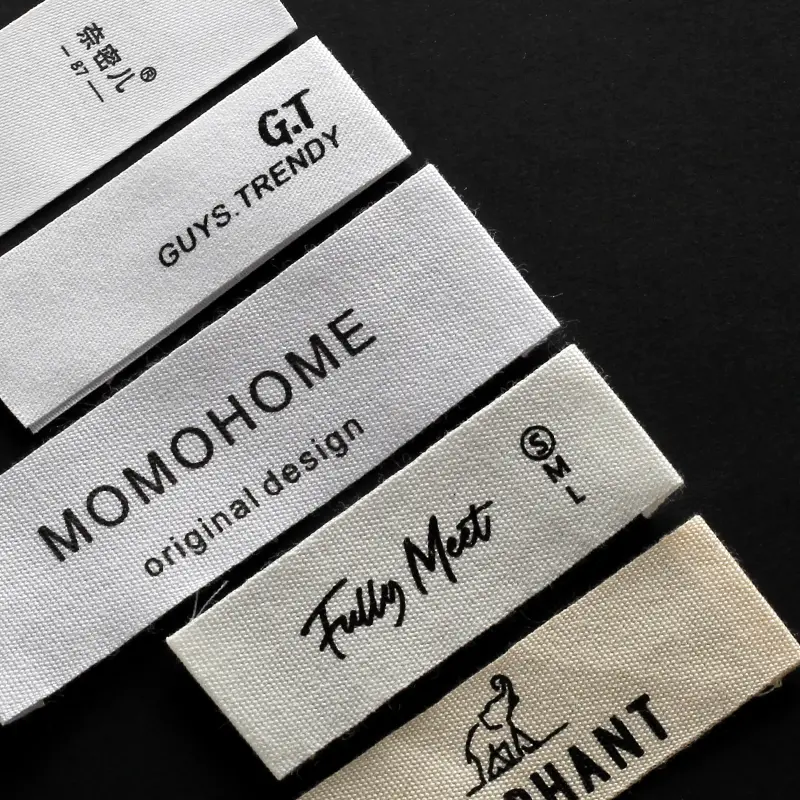
• Screen-printed Cotton Labels: Soft, breathable, and skin-friendly, ideal for kids’ wear and loungewear. 4 special colors available; text as small as 1mm remains legible.

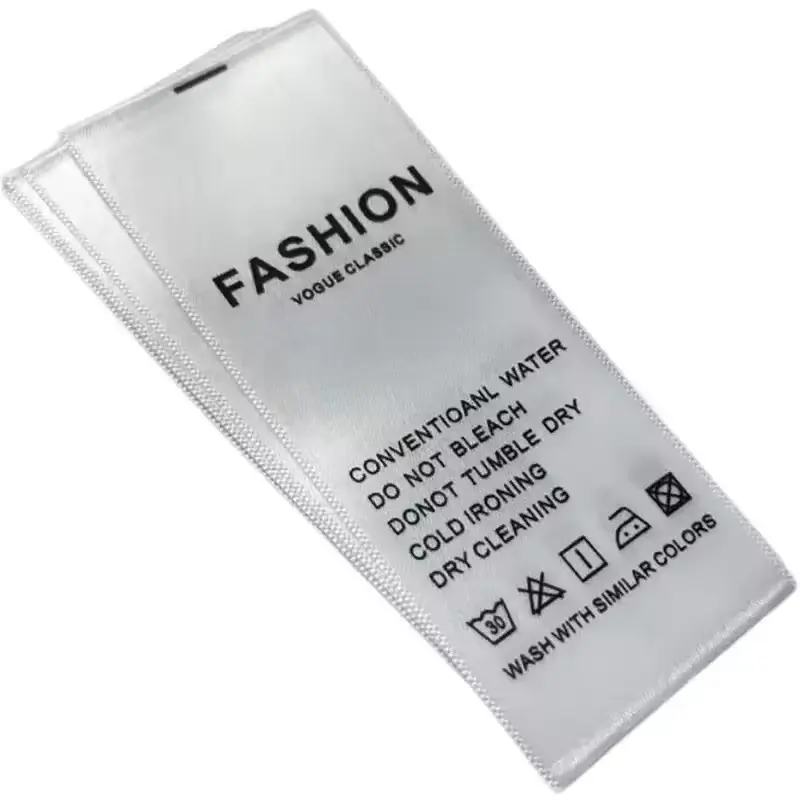
• Printed Satin Labels: Smooth and glossy surface, capable of printing ultra-small text – the top choice for care/content labels. Single-color printing (white satin with black text) offers the lowest mass production cost.

• Sublimation Labels: Heat-transferred onto polyester substrates, with a hand feel and appearance close to woven labels. Unlimited color options support gradients and photographic patterns.


Applicable Scenarios

Care/content labels, apparel with multi-color complex logos, kids’ wear, and first-time label production for start-up brands with limited budgets.


Limitations

Ink adheres to the fiber surface, fading faster than woven labels after repeated washing. Screen printing supports a maximum of 4 colors. Satin labels feel slippery and cold against the skin; cotton labels are the most comfortable but have a higher unit price than satin ones.


Heat Transfer Labels: The Sew-Free Convenient Choice

LIJIE heat transfer labels are directly applied to fabrics via a heat press, requiring no sewing or folding, with no protrusions, integrating seamlessly with garments. They are the optimal choice for sportswear and functional apparel.


Main Types & Features

• Standard Flat Style: Fully fits the fabric with almost no touch, the mainstream choice for inner labels of sports brands.

• 3D Silicone Style: Features a 3D touch similar to rubber logos, enhancing tactile experience.

• General Characteristics: All support reflective ink, suitable for outdoor and sportswear. Labeling parameters: heating at 160°C for 12 seconds.


Applicable Scenarios

Sportswear, functional fabric apparel, and brands focusing on a "label-free" experience.


Limitations

A dedicated heat press is required, and manufacturers must equip the device and master operating skills. Not suitable for special fabrics such as silk and French terry. Cannot be repositioned once applied, and positional deviations affect garment quality control.


Matching Label Types by Apparel Category

Based on years of order experience, LIJIE summarizes the optimal label matching solutions for various apparel categories, aligning with practical use and consumer expectations:

• T-Shirts/Casual Wear: Center-fold woven main labels at the neck for durability and neatness; cotton printed care labels can be added at the side seam.

• Sportswear/Fitness Apparel: Heat transfer labels are preferred to avoid skin irritation from sewn labels, with flat designs achieving an "invisible" effect.

• Kids’ Wear: Choose cotton printed labels or heat transfer labels to ensure softness and no protrusions, eliminating skin-prickling issues of satin labels.

• Dresses/Formal Wear: Satin woven labels at the waistband/side seam, whose luster matches the formal style and appears delicate and compact.

• Coats/Overcoats: Large-size woven labels up to 3 inches wide to fully display brand identity, paired with woven care labels.

• Hats/Accessories: Sew woven labels inside the sweatband, or apply woven fabric patches externally; small leather/PVC fabric patches can also be used as alternatives.


Budget Considerations: Real Pricing Rules

The unit price of LIJIE custom labels is determined by size, color matching, order quantity, and type. Core pricing rules are as follows:

• Woven vs. Printed: Unit prices are roughly the same for orders below 1,000 pieces. For orders exceeding 10,000 pieces, printed labels (especially satin styles) offer higher cost performance.

• Heat Transfer: The unit price per label is slightly higher than woven labels, but saves sewing labor costs. In terms of comprehensive cost, heat transfer may be the most economical option.


Advanced Strategy: Using a Combination of Multiple Labels for One Brand

Mature apparel brands mostly use a combination of labels based on functional needs. A typical solution: neck woven main labels + side seam satin printed care labels + external woven hangtags. Each label performs its own function to meet different performance requirements.


Selection Steps for New Brands

1. First determine the core brand main label, which directly defines brand perception and should be prioritized for selection.

2. Gradually add supporting labels such as care labels and size labels as the product line expands, without needing to complete everything in one step.


Selection Support

For professional selection advice, you may submit a quotation request to LIJIE. Inform us of your apparel category, brand positioning, and production lead time, and we will recommend suitable label types. You can order multiple samples of full-category labels for comparison before finalizing the mass production plan.

Contact us to get super cheap clothing labels/tags
Get a quote
MESSAGE
*
*
*